
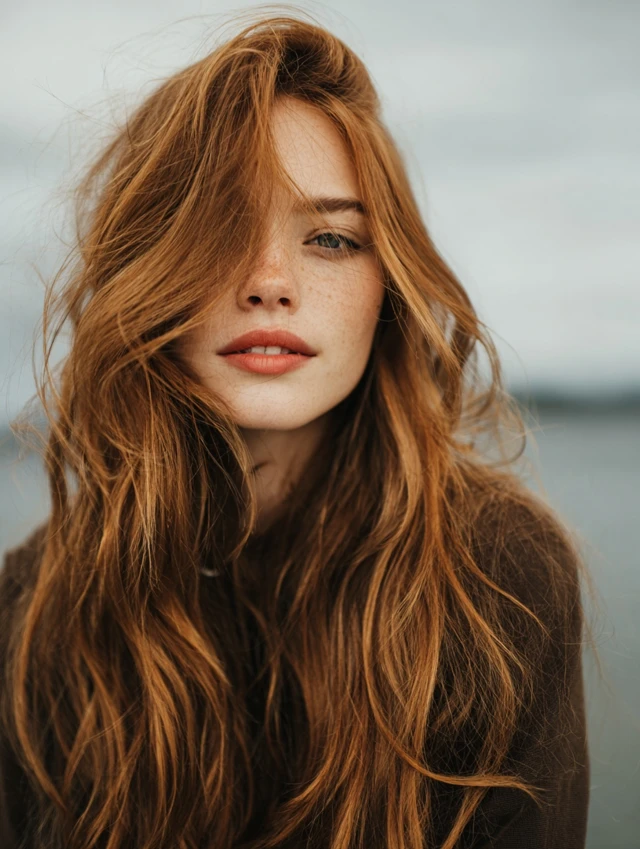
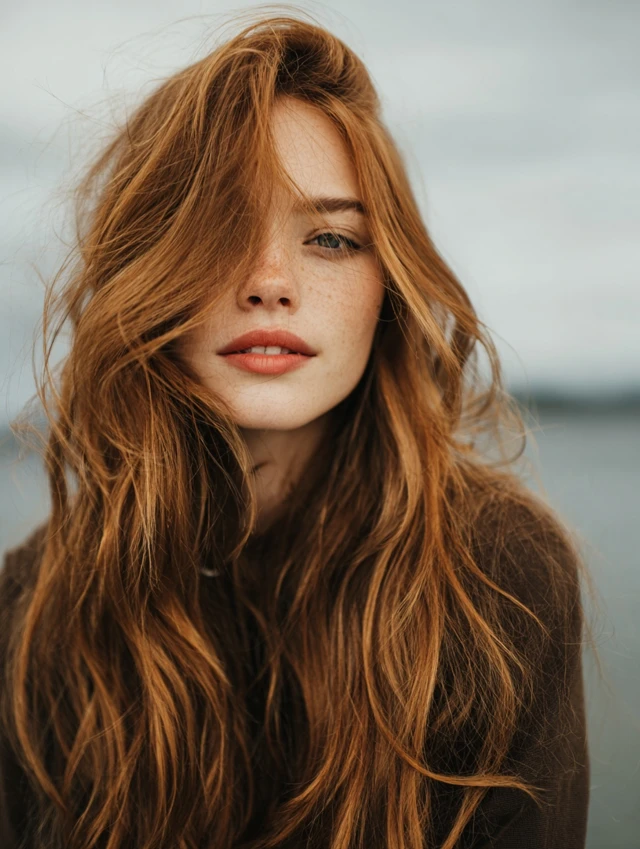
Hairstyles for big foreheads focus on balance, framing, and visual proportion rather than hiding features completely. A larger forehead can look striking when paired with the right cut. Strategic bangs, layers, and parting choices redirect attention toward the eyes and cheekbones instead of the hairline. These styles also adapt to different textures and lifestyles, from low-maintenance routines to more polished looks. When done well, the haircut feels natural, modern, and flattering. The goal is simple: soften the upper face, create harmony, and keep styling realistic for everyday life.
Why Face-Framing Cuts Work for Big Foreheads
Face-framing layers and bangs shorten the visual length of the forehead by adding interest lower on the face. Hairstyles for big foreheads often rely on diagonal lines, soft edges, or fringe that breaks up empty space at the top. These details guide the eye downward and create balance.
They also add personality without drastic changes. Many women prefer subtle adjustments instead of dramatic chops. A shifted part or well-placed fringe can reshape proportions instantly. That makes these styles flexible, wearable, and easy to maintain over time.
Hairstyles for Big Foreheads That Balance Proportions
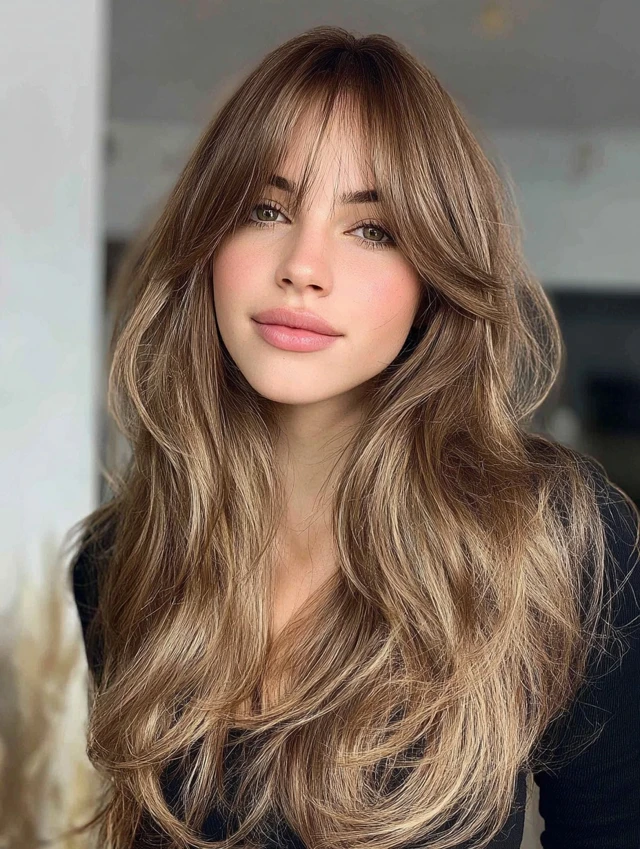
Curtain Bangs with Long Layers for Big Foreheads
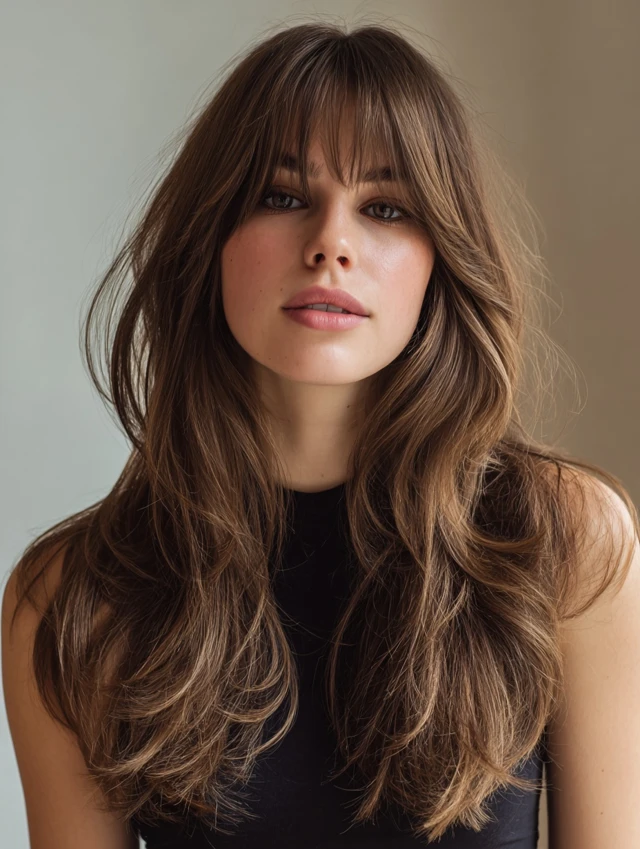
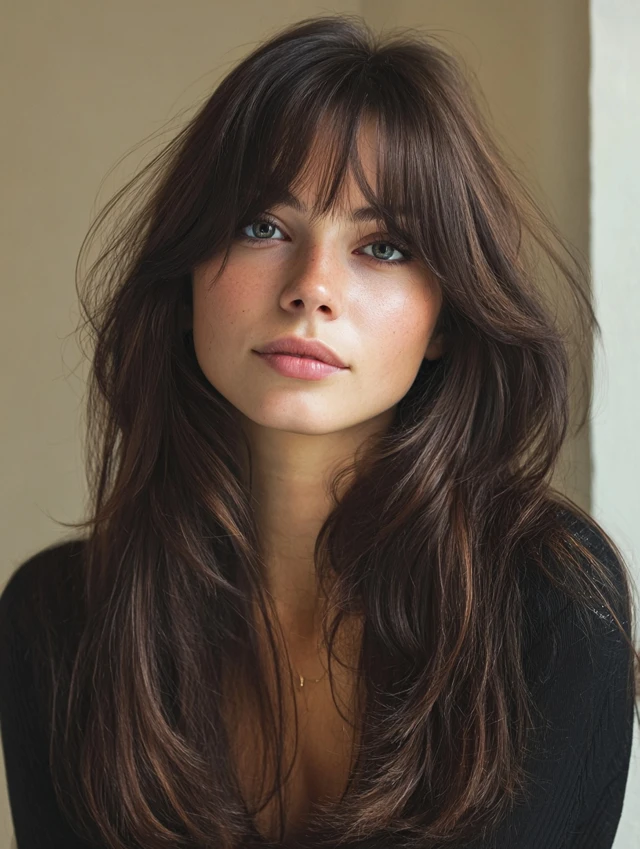
Curtain bangs split down the center and sweep softly across the forehead, reducing visible height without closing off the face. Long layers pull focus downward and add movement around the jaw and shoulders. Together, they soften proportions while keeping the look open and modern.
1
2
3
4
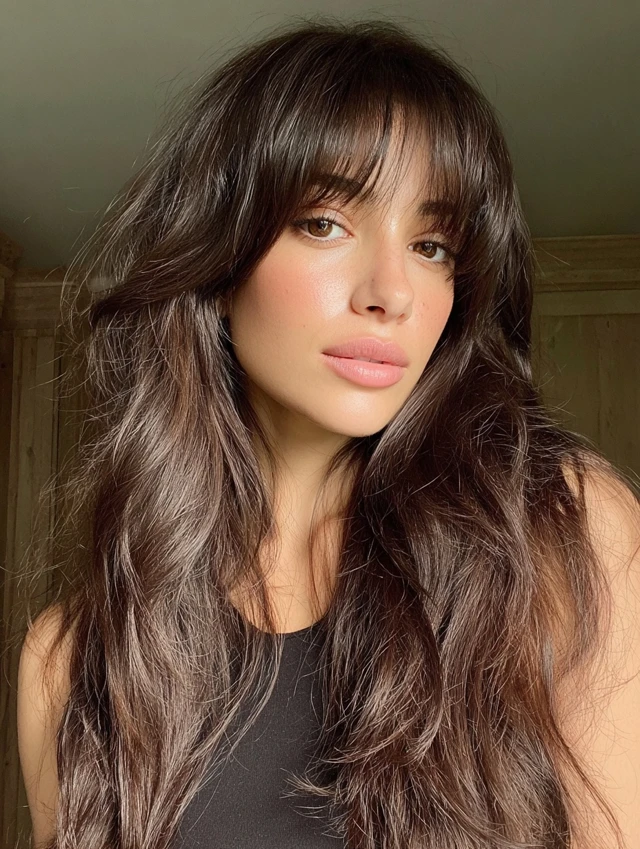
This style suits straight to wavy hair best and works across many lengths. Blow-dry bangs forward, then sweep them aside with a round brush. It fits offices, social events, and daily wear easily. Maintenance stays light with fringe trims every few weeks.
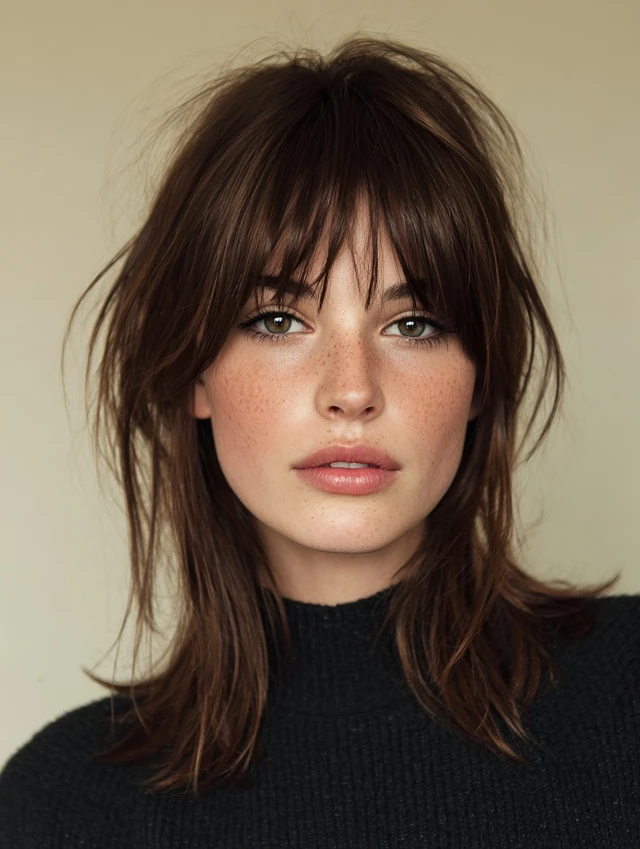
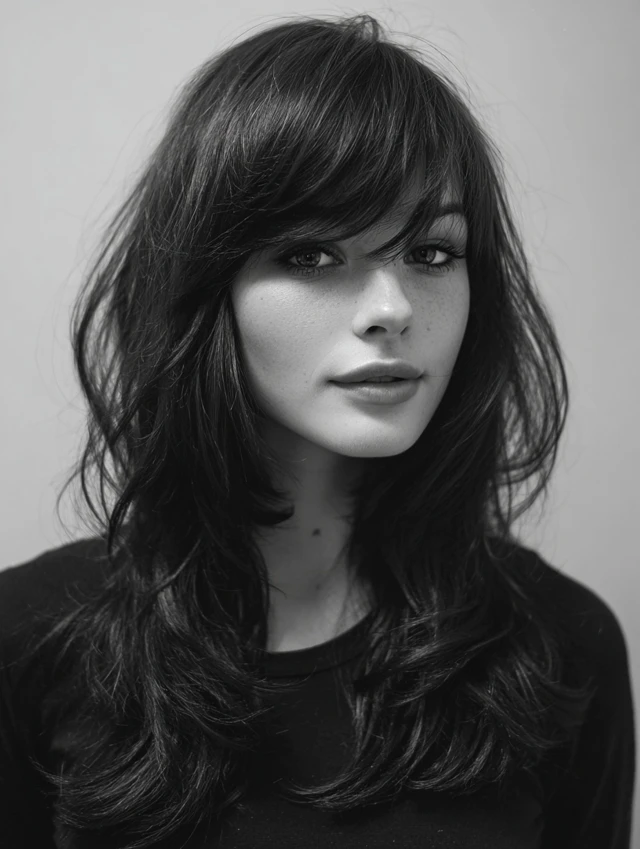
Side-Swept Bangs with Medium-Length Hair
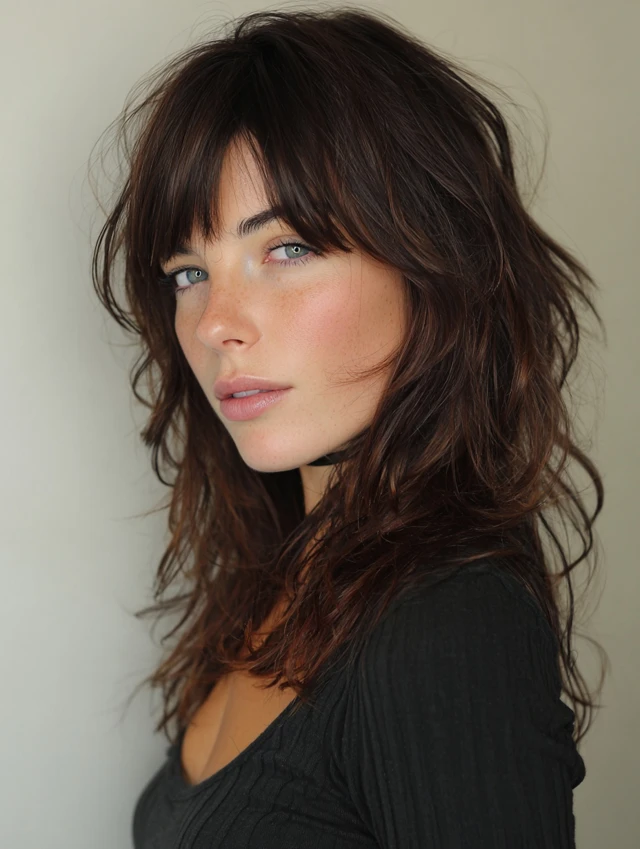
Side-swept bangs cut diagonally across the forehead, breaking up vertical space and creating instant balance. Medium-length hair frames the face without dragging features downward. Soft layering through the ends keeps the shape flexible and natural.
1
2
3
4
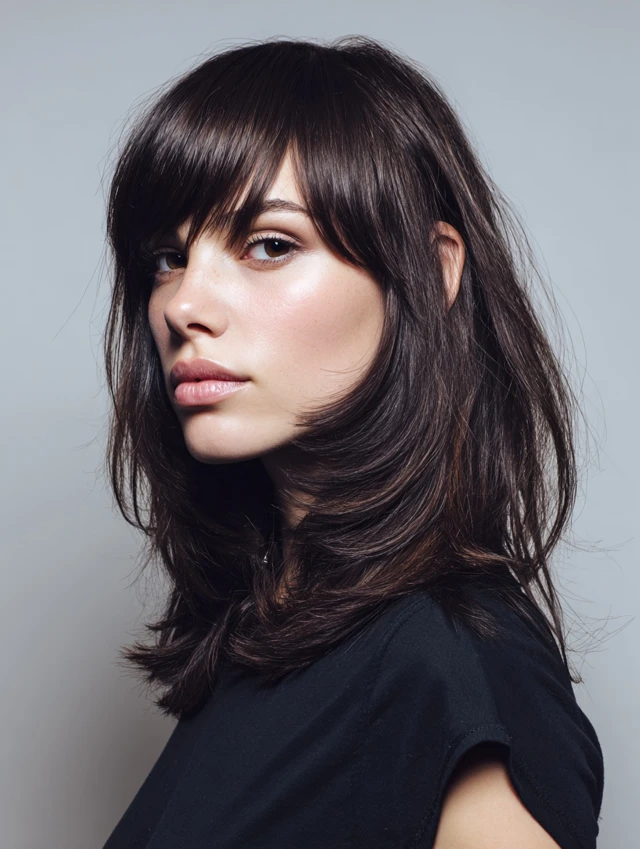
Most hair types can wear this cut, from fine strands to thicker textures. Dry bangs first for control, then style the rest loosely. It suits busy schedules because it grows out gracefully. Regular trims every two months keep the silhouette flattering.
Textured Shag with Fringe
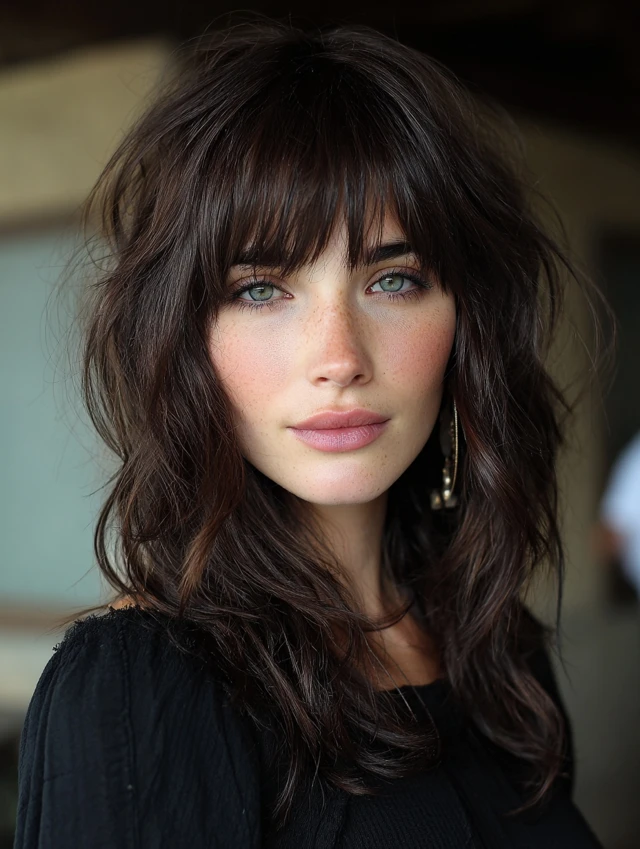
A textured shag paired with fringe distracts from a high forehead by adding movement through the front and sides. The layered structure keeps attention spread across the face instead of concentrated at the hairline. Wispy bangs soften the upper portion while maintaining an airy, modern feel.
1
2

3

4
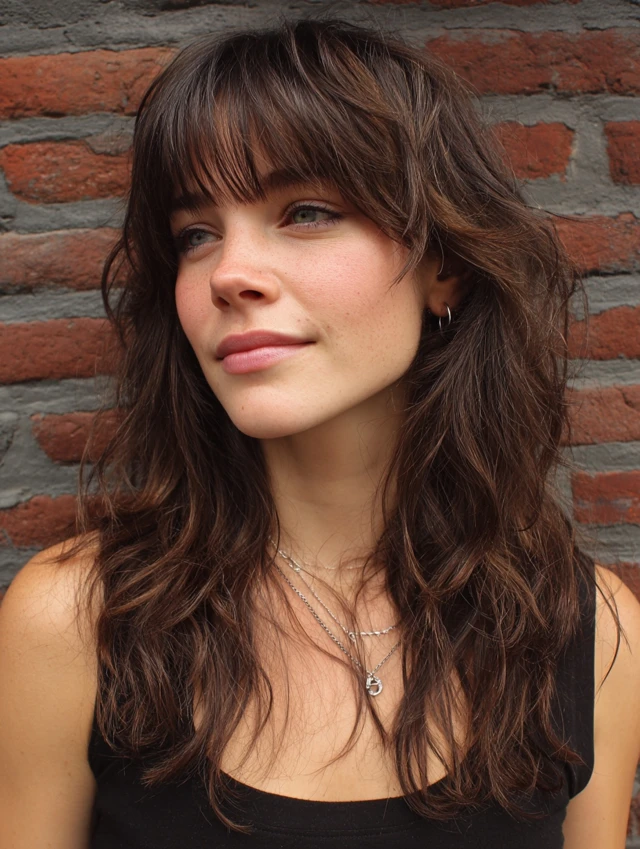
This haircut works well for wavy or medium-density hair that holds texture easily. Scrunch mousse into damp strands and let them dry naturally or diffuse briefly. It suits creative workplaces and casual settings. Maintenance stays forgiving because layers grow out smoothly.
Blunt Bob with Soft Bangs
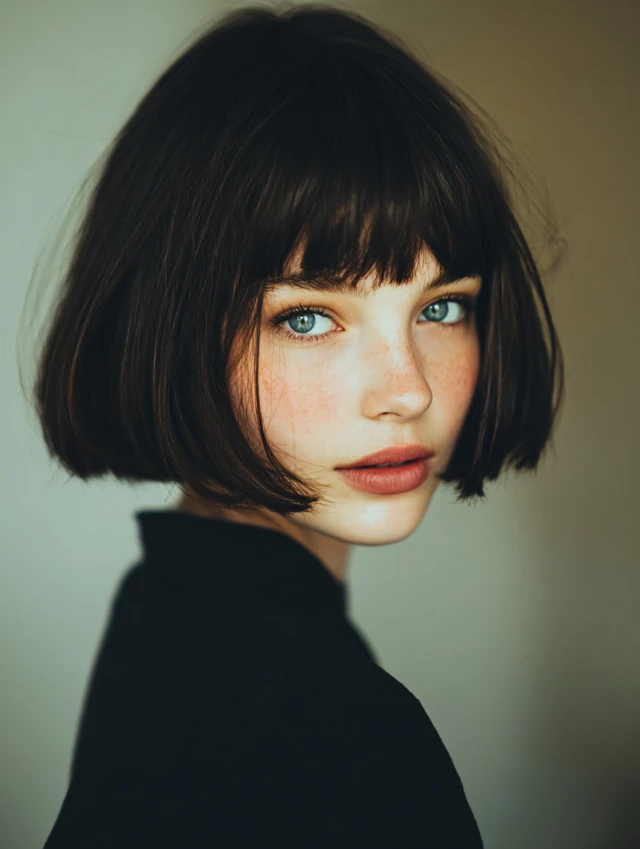
A blunt bob combined with soft bangs shortens the look of the forehead while keeping the jawline sharp and defined. The straight edge at the bottom adds structure, while the fringe prevents the upper face from dominating the silhouette. Light texturing at the tips avoids stiffness.
1

2
3

4

Straight to slightly wavy hair suits this best because the shape shows clearly. Blow-dry bangs forward and smooth the ends lightly. It fits professional environments and evening plans easily. Regular trims maintain the crisp outline and fringe shape.
Deep Side Part with Long Waves
A deep side part shifts visual weight across the face, making the forehead appear smaller instantly. Long waves draw the eye downward, balancing proportions and softening the overall outline. The diagonal line created by the part adds subtle drama without extreme changes.
1
2

3

4
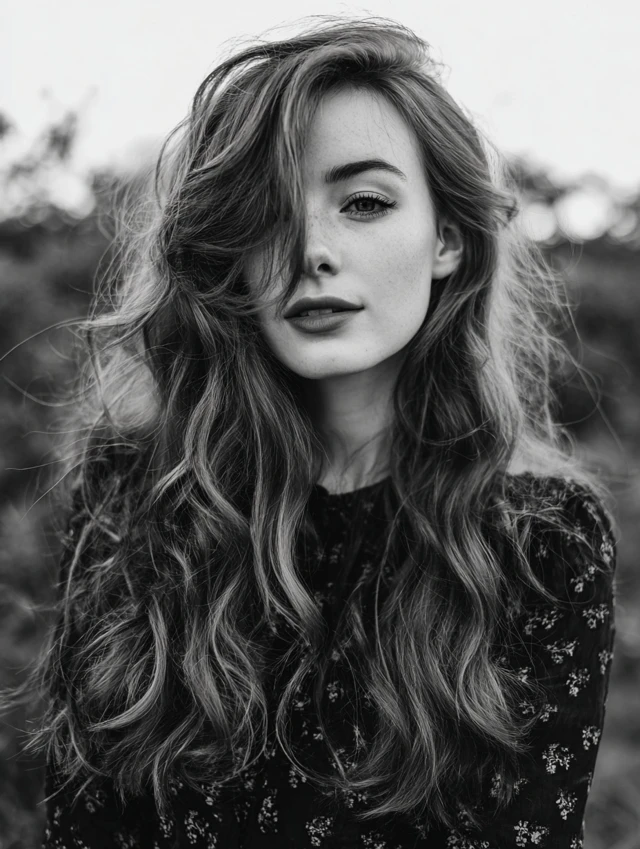
This style flatters most hair types, especially medium to thick textures. Use a curling iron or braid damp hair overnight, then release for waves. It works for events, workdays, and weekends alike. Occasional trims keep ends healthy and flowing.
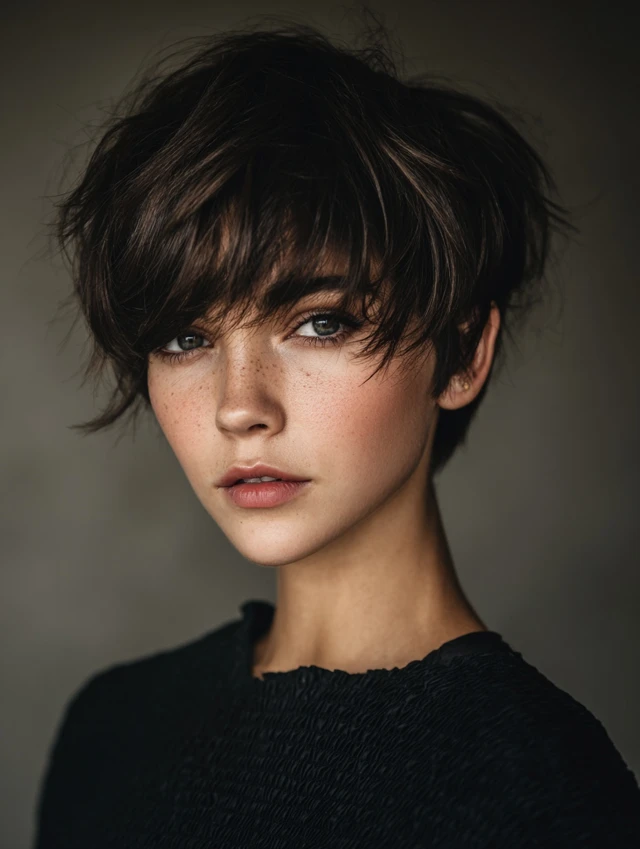
Pixie with Long Fringe
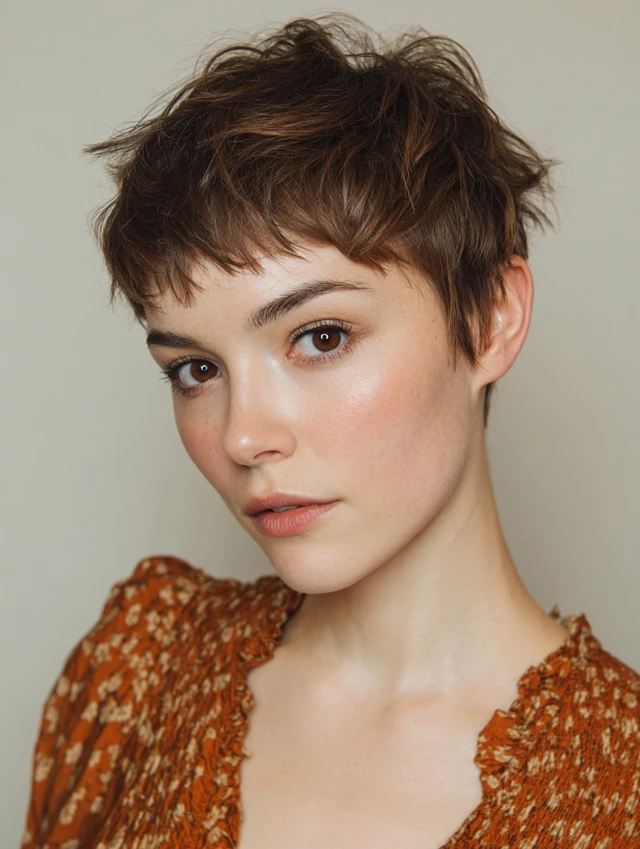
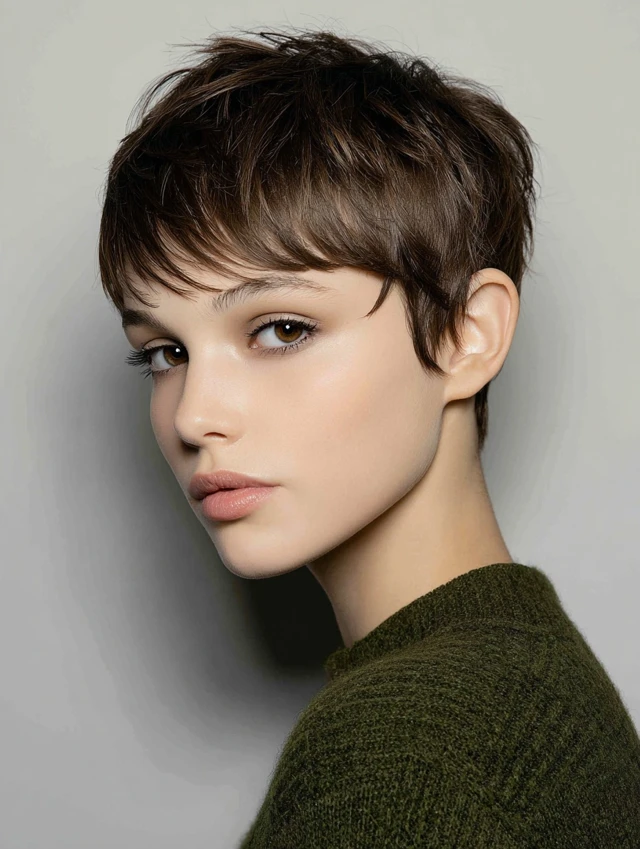
A pixie with a longer fringe covers part of the forehead while keeping the cut light and modern. The extended front section creates diagonal lines that reduce the appearance of height. Tapered sides and textured layers prevent the style from feeling heavy.
1
2
3
4
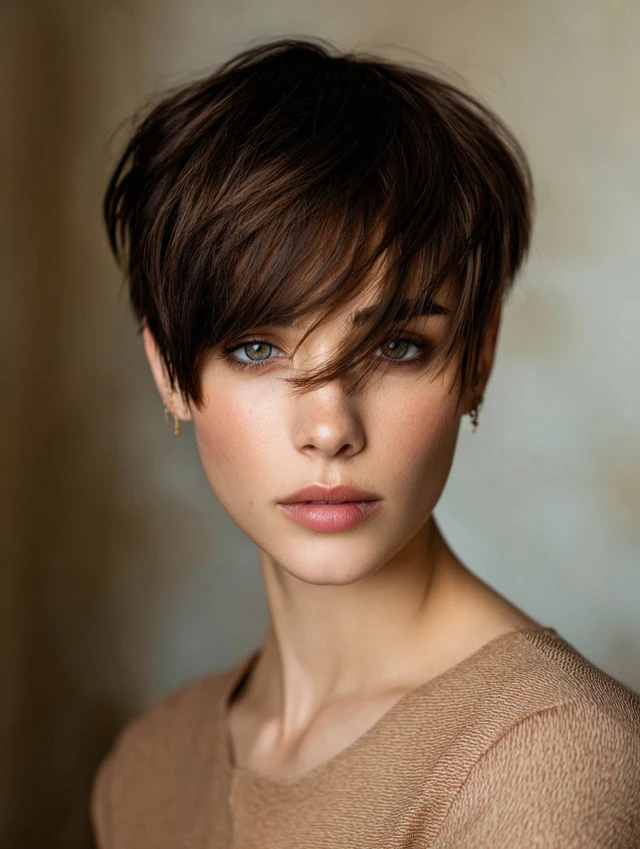
Fine to medium hair types benefit most from this shape. Style the fringe sideways with a dab of cream and finger-lift the crown. It suits active lifestyles and warm climates. Schedule trims every six weeks to preserve the silhouette.
How to Choose the Best Hairstyle for a Big Forehead
Ask for bangs or face-framing pieces that soften the hairline rather than blunt, heavy sections that feel dated. Use side parts to break symmetry. Add texture through waves or layers to keep focus away from the top. Avoid severe center parts with flat roots. Keep volume balanced across the head. These strategies help hairstyles for big foreheads feel natural and flattering every day.
Final Thoughts on Hairstyles for Big Foreheads
Hairstyles for big foreheads work best when they redirect attention instead of hiding features completely. Smart fringes, side parts, and layered shapes create balance while keeping your look fresh and wearable.
Experiment with small changes first before committing to dramatic cuts. Which of these hairstyles for big foreheads would you try, and what parting or bang style has worked best for you before?