
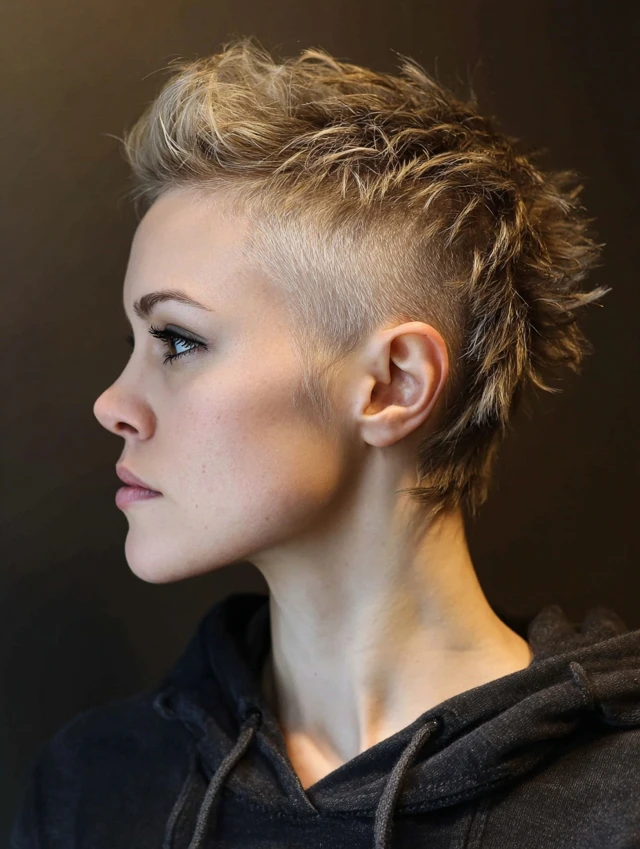
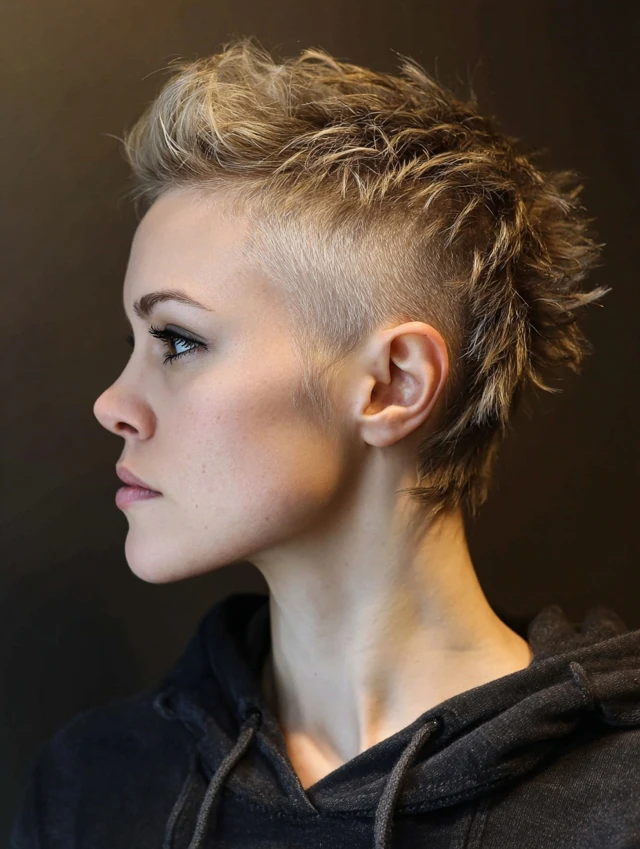
A faded mullet updates the classic shape by blending tight, clean sides into longer length at the back. The fade sharpens the outline, while layered texture through the crown keeps the style modern instead of retro. This haircut works across straight, wavy, and curly hair when tailored carefully. Face shape, hair density, and daily styling habits still guide the final result. When done right, a faded mullet adds edge without chaos, keeps maintenance reasonable, and delivers a bold silhouette that fits everyday wear.
Why the Faded Mullet Feels So Current
Faded mullets succeed because the gradual taper on the sides controls bulk and frames the face cleanly. The fade adds structure, which balances the longer back and textured crown. That contrast keeps the cut from feeling costume-like or extreme.
Another reason comes from flexibility. You can keep the fade subtle or sharp, style the top sleek or messy, and adjust the back length to taste. The shape adapts easily to personal style and workplace rules.
Faded Mullet Styles Worth Trying
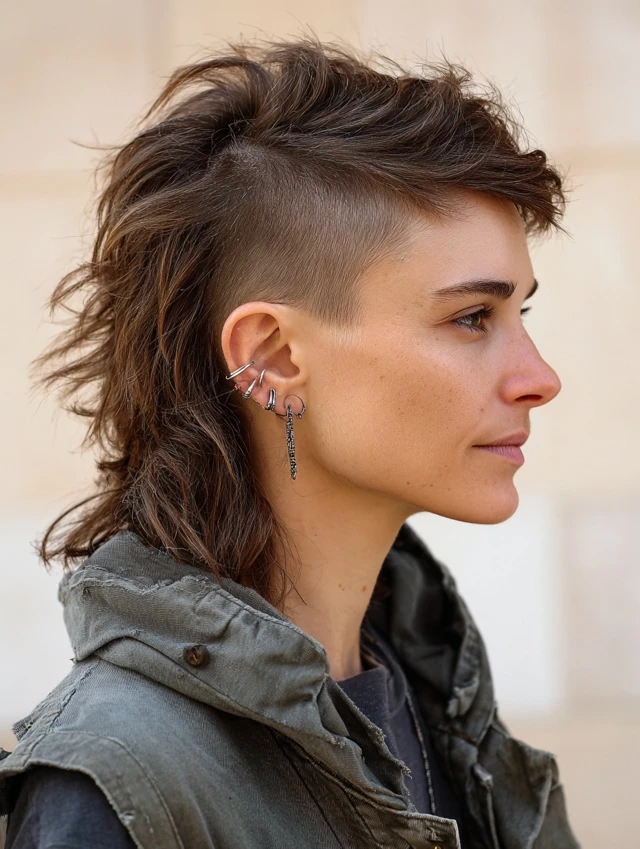
Low-Fade Mullet with Textured Crown
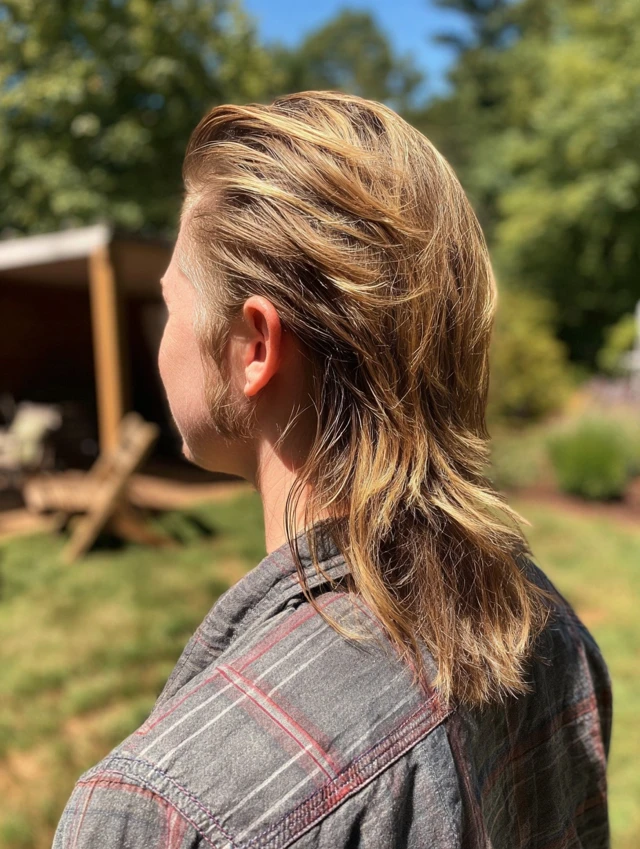
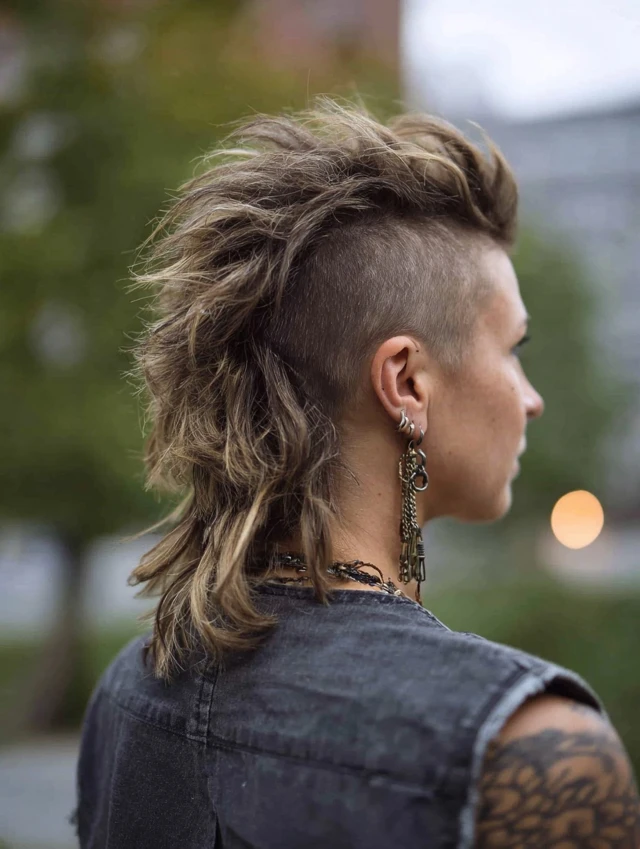
A low-fade mullet keeps the taper close to the neckline and ears while leaving more fullness on the sides. The crown carries choppy layers for movement, and the back flows naturally instead of sticking out stiffly.
1
2
3
4
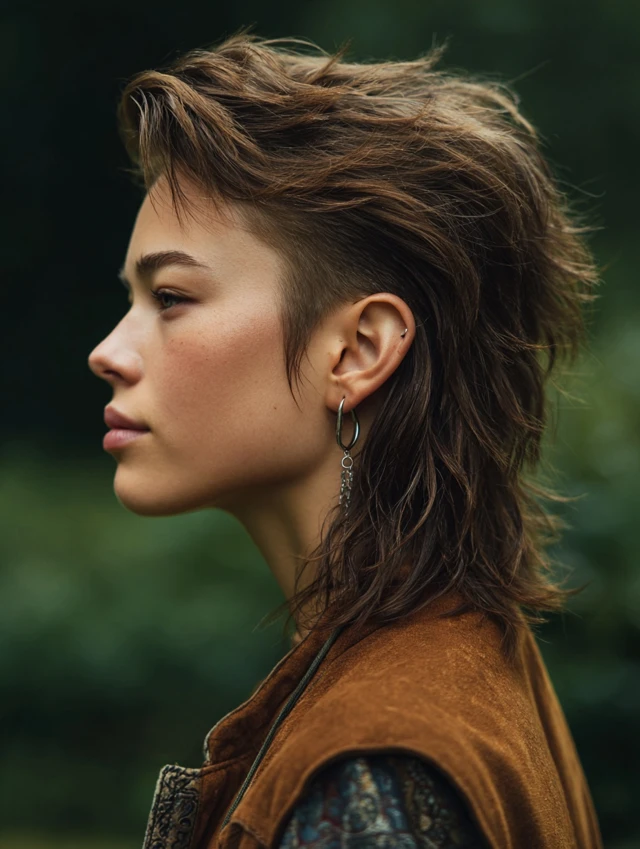
This version suits straight to wavy hair with medium density. Styling stays simple using texture spray or matte paste. It fits casual days, creative jobs, and people who want edge without dramatic contrast.
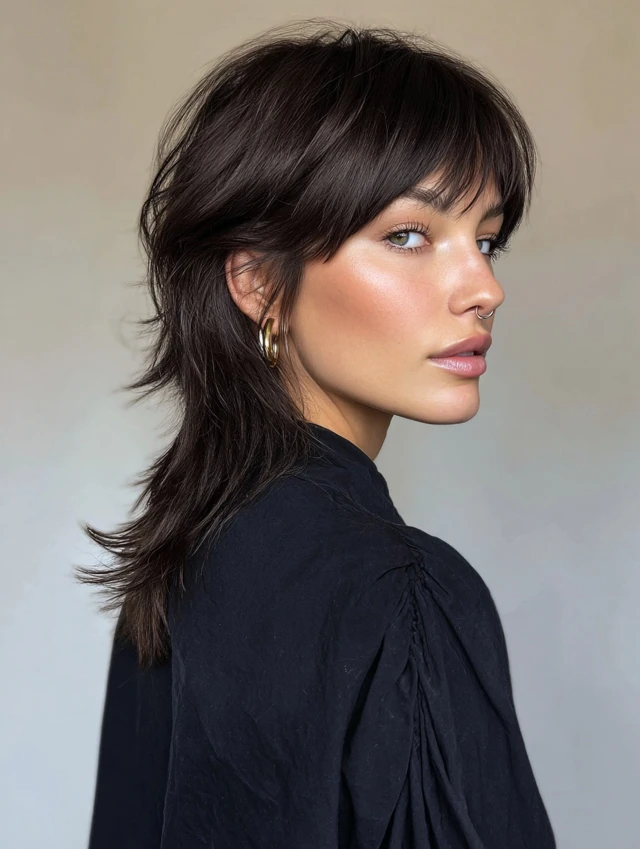
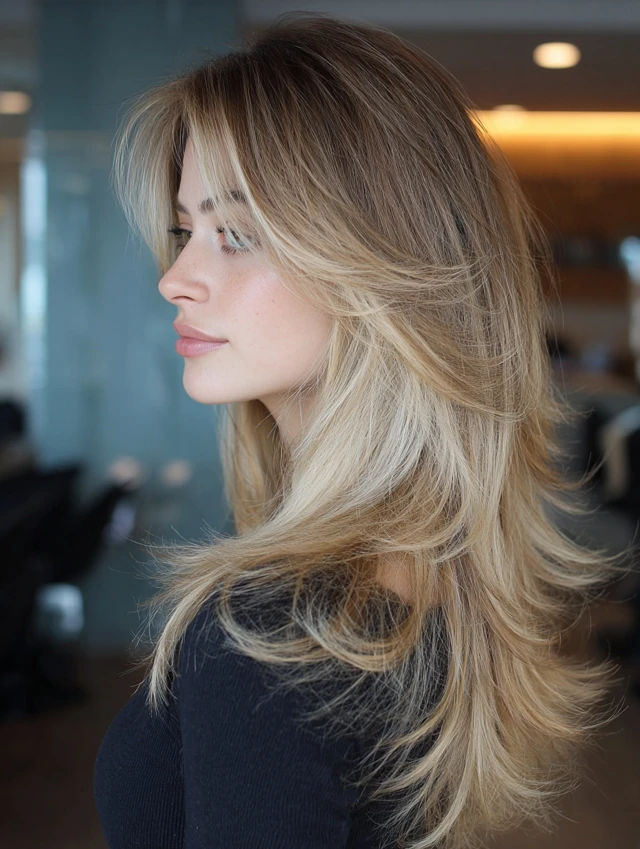
Mid-Fade Mullet with Soft Layers
A mid-fade mullet removes more weight along the sides and temples while keeping the top fuller. Soft layering connects the crown to the back for smooth transitions. The silhouette feels sporty yet expressive.
1
2
3
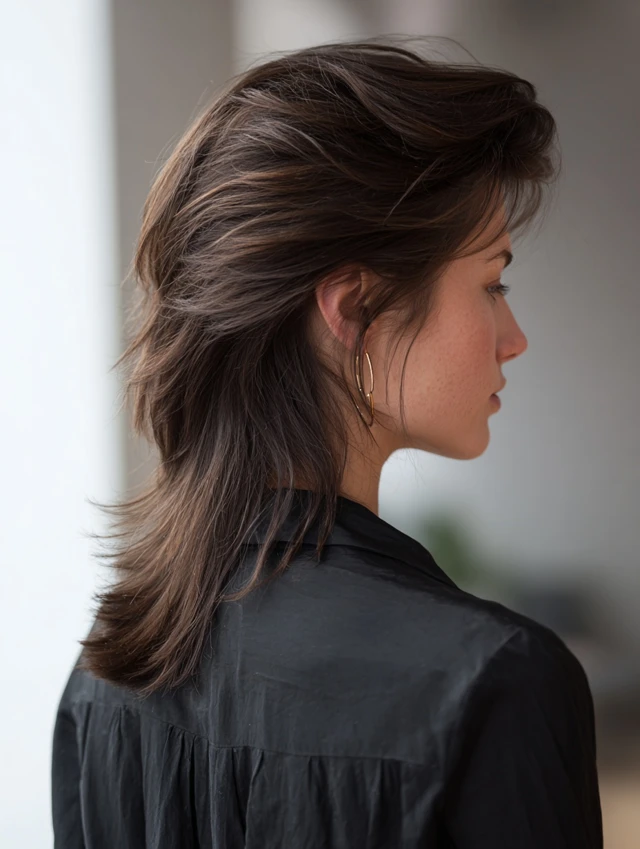
4
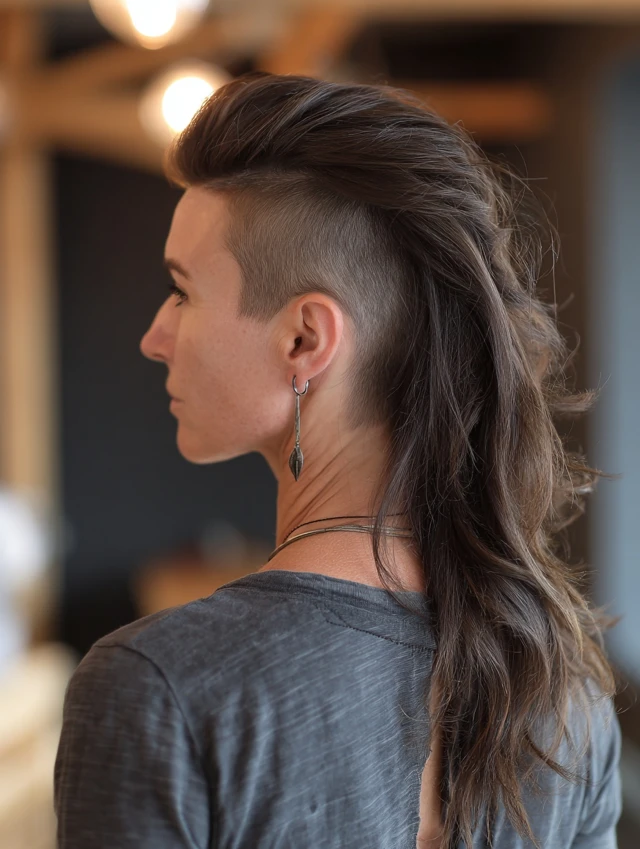
This style works well for medium to thick hair across most textures. Blow-drying the top adds lift fast. It fits nights out, streetwear looks, and anyone wanting a noticeable but controlled cut.
Curly Faded Mullet with Shape
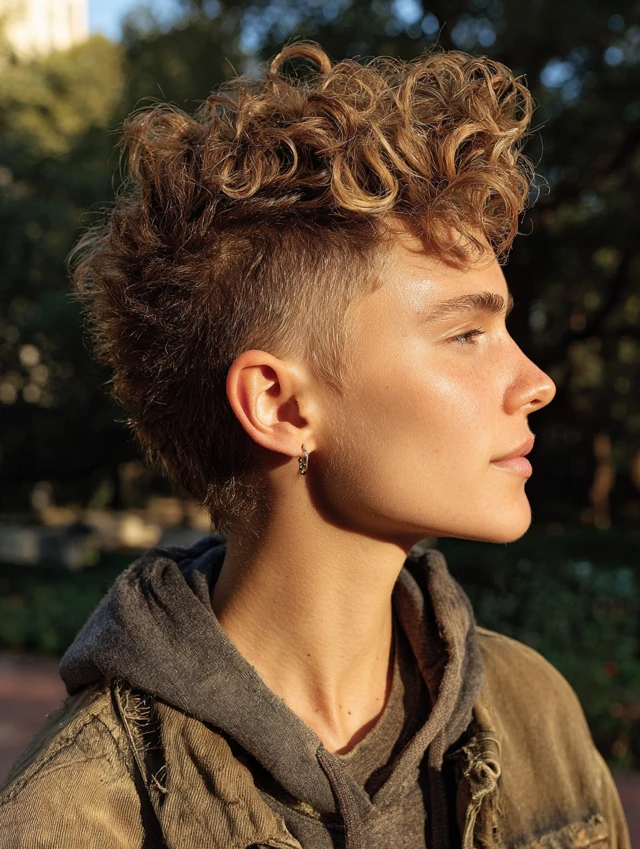
A curly faded mullet shapes volume through rounded crown layers while tapering the sides cleanly. The curls stay loose and defined instead of ballooning outward. The back keeps length but looks intentional rather than wild.
1
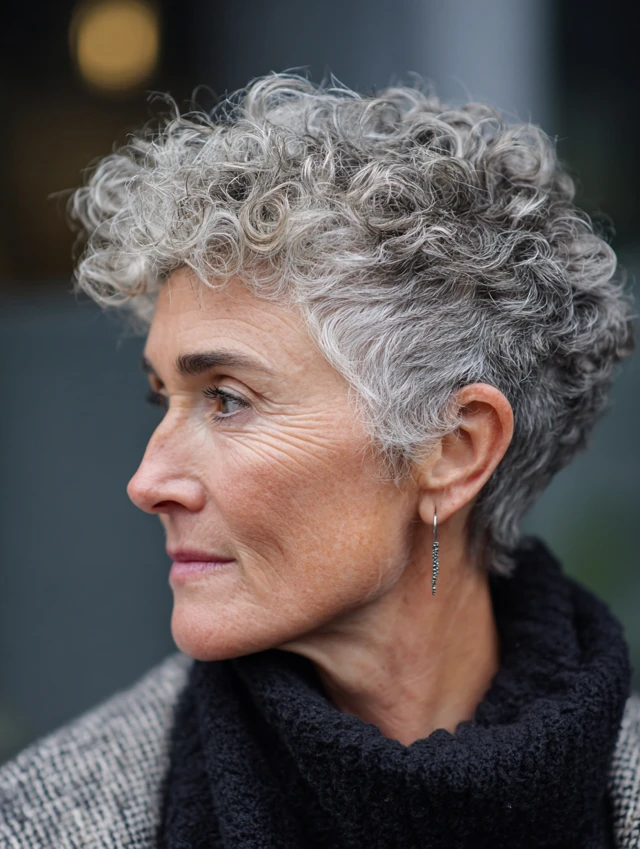
2
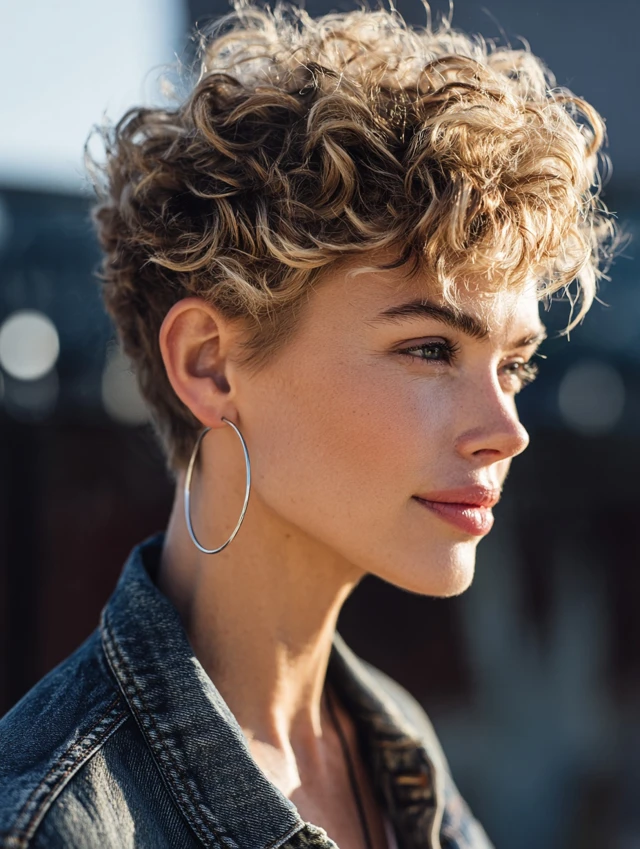
3
4
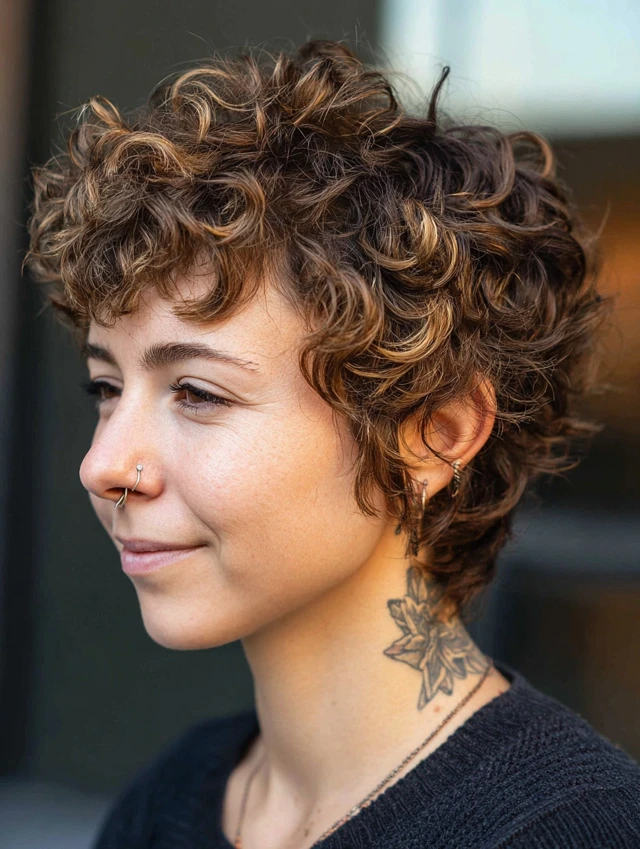
This option suits natural curls with medium density. Styling stays easy using curl cream and diffusing. It works for warm climates, active routines, and people who want statement hair without daily heat tools.
High-Fade Mullet with Sharp Contrast
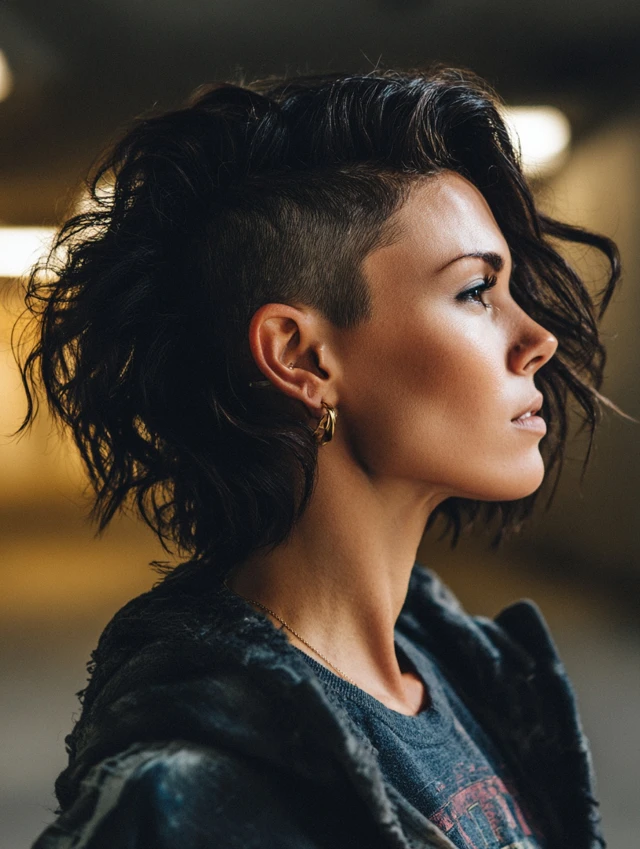
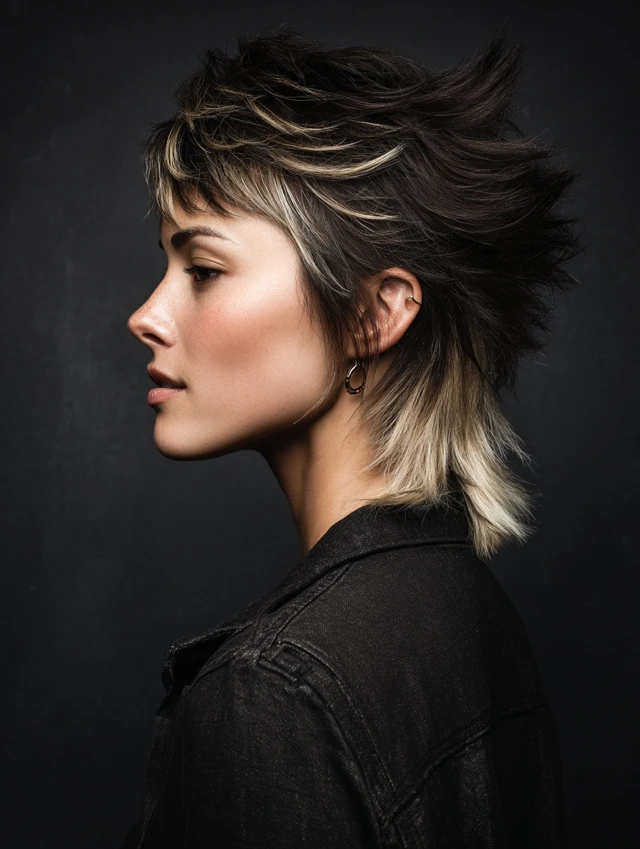
A high-fade mullet removes most bulk from the sides and temples, creating bold contrast with the longer back. The sharp transition pushes attention upward to the crown and fringe, giving the cut a dramatic, modern edge. Textured layers prevent the top from looking flat.
1
2
3
4
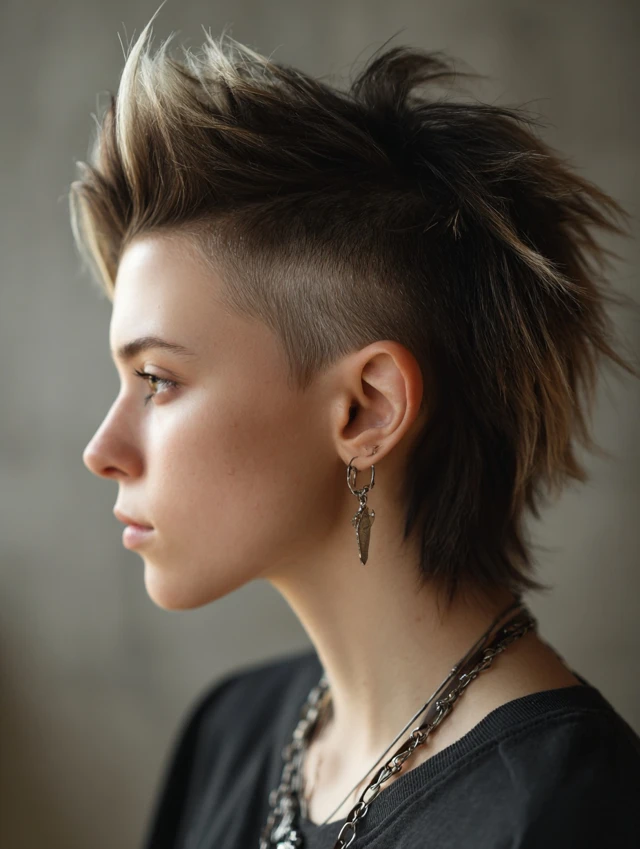
This version suits thick hair and straight to wavy textures. Styling takes minutes using matte paste or sea-salt spray. It works for fashion-forward looks, nights out, and anyone comfortable with standout hair.
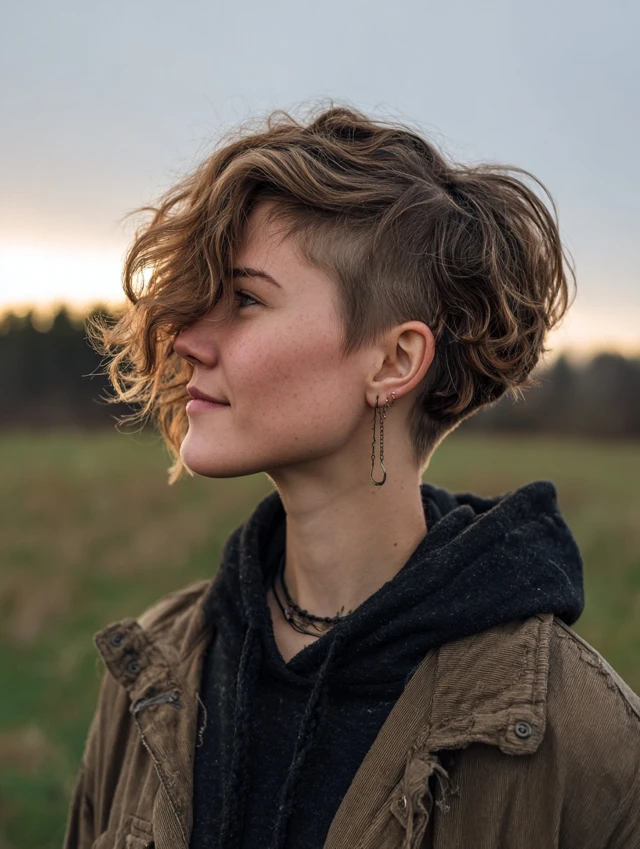
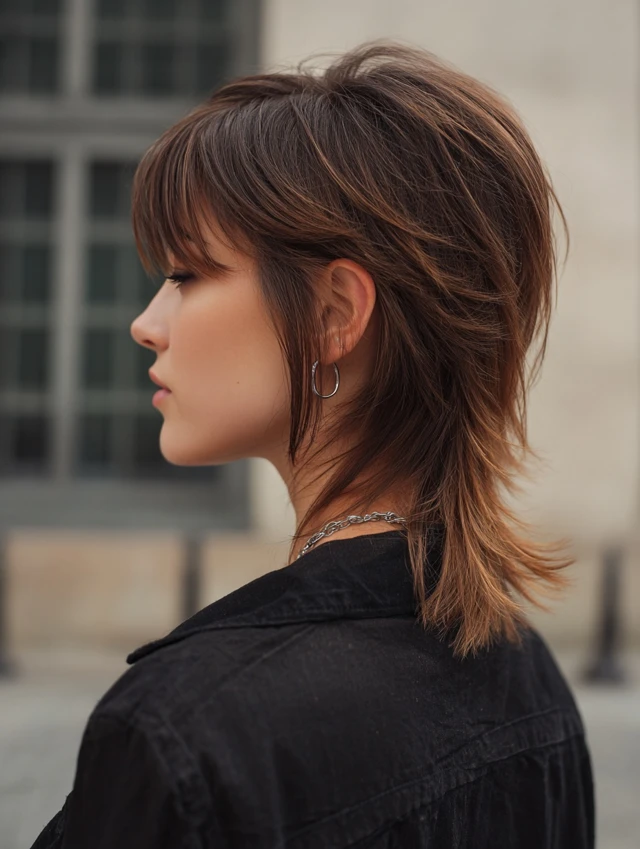
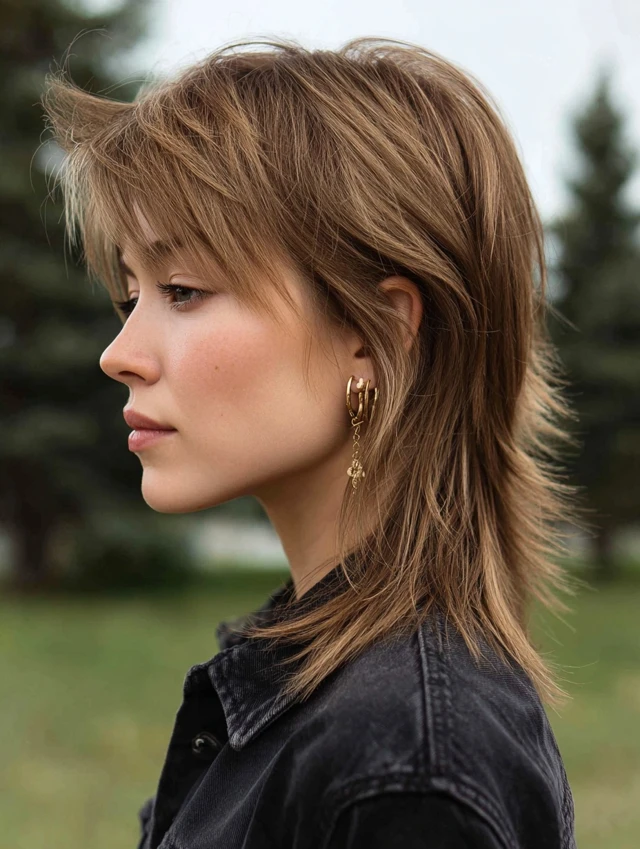
Soft Faded Mullet with Longer Back
A soft faded mullet keeps the taper gentle while letting the back grow longer and flow naturally. The crown stays lightly layered, which keeps the silhouette balanced instead of extreme. The result feels relaxed and wearable rather than aggressive.
1
2
3
4
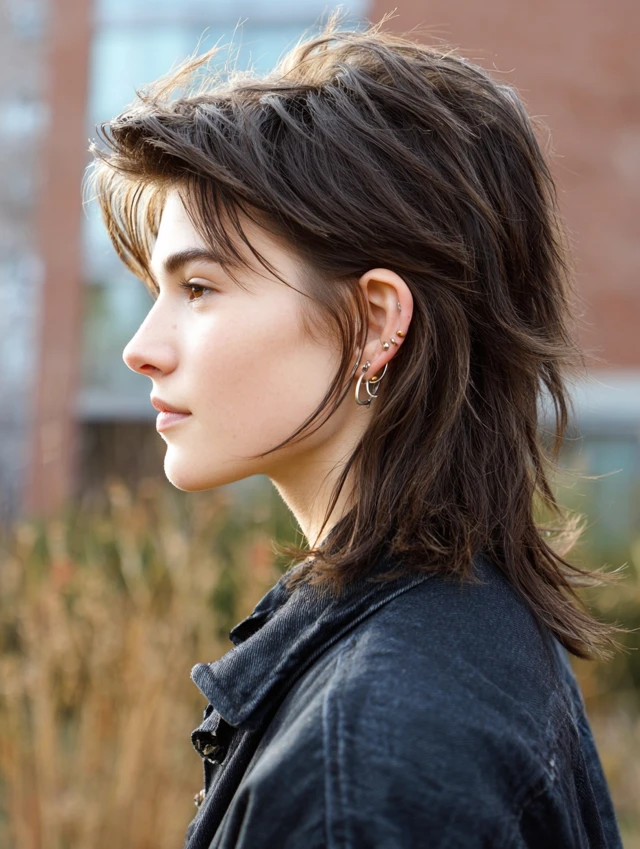
This style fits medium-density hair across most textures. Air-dry cream or light blow-drying keeps things neat. It works for everyday wear, creative offices, and people testing the mullet trend cautiously.
Short Faded Mullet with Fringe
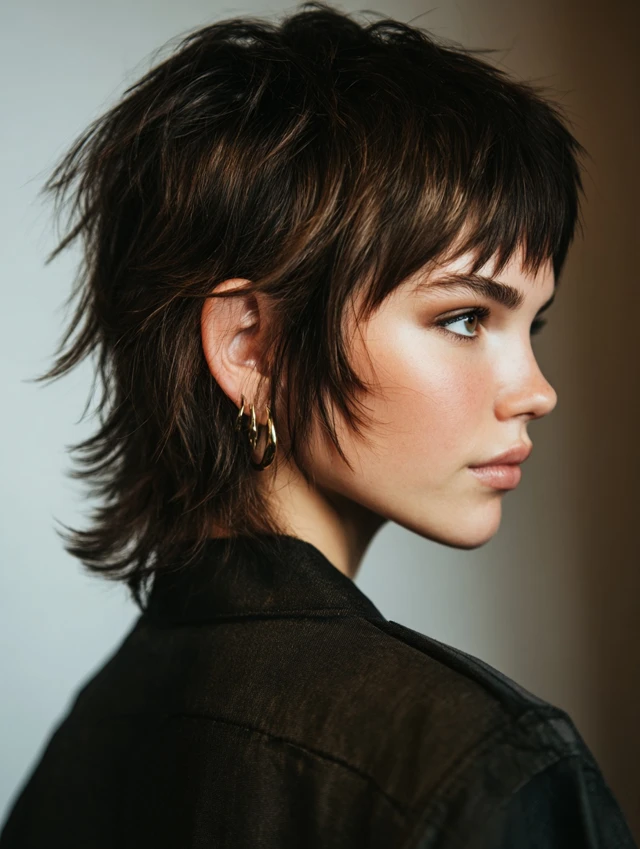
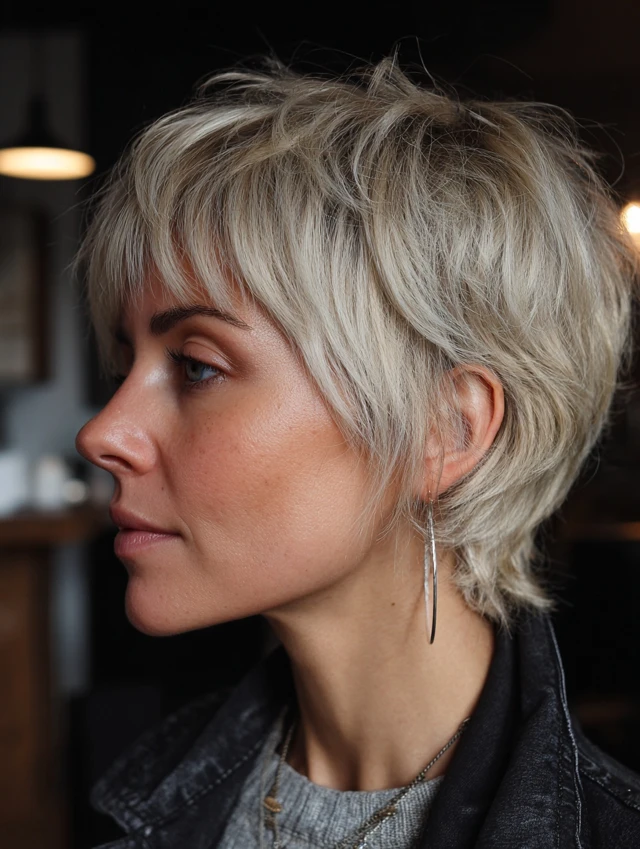
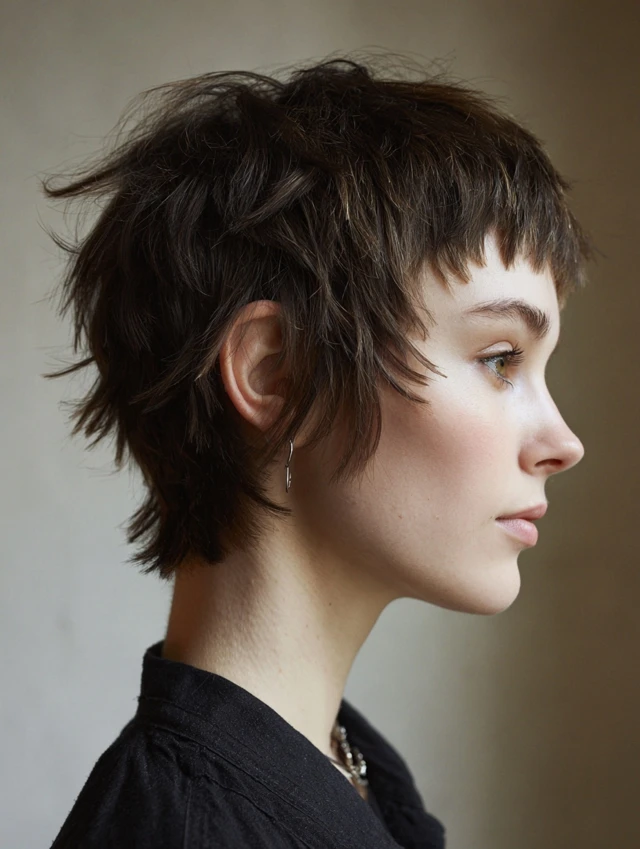
A short faded mullet trims the back closer while keeping enough length for shape and movement. Fringe or short front layers frame the forehead, while the fade cleans up the sides. The look stays compact and sporty.
1
2
3
4
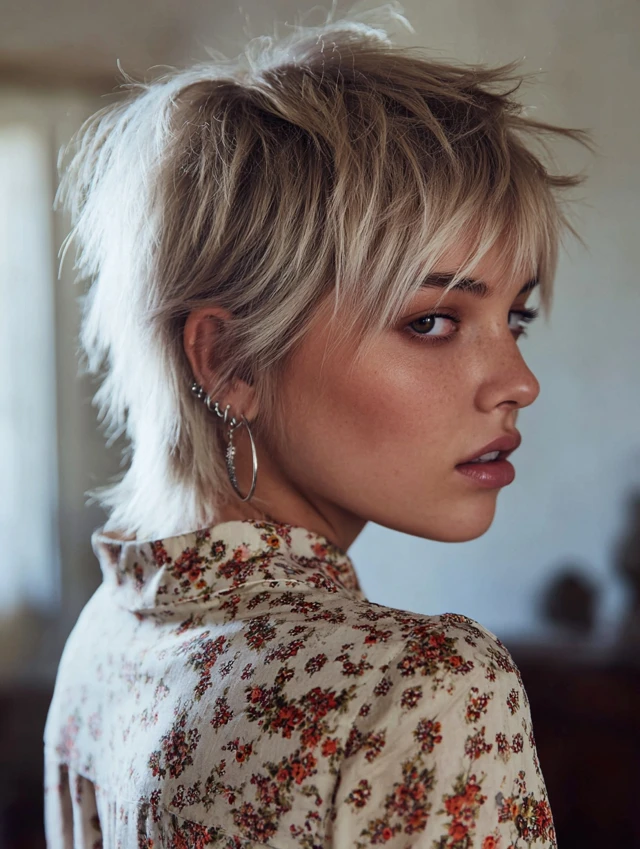
This option suits fine to medium hair and active lifestyles. Styling stays quick with light hold cream. It works for school, workouts, and low-maintenance grooming routines.
How to Ace the Faded Mullet
Decide how bold you want the side taper before cutting. Ask for blended transitions from crown to back so nothing looks disconnected. Keep the top textured for volume and movement. Match the back length to your comfort level and dress code. Use lightweight products so hair stays touchable. Book trims every few weeks to keep the fade sharp while letting the back grow slowly.
Final Thoughts on the Faded Mullet
Faded mullets work because they mix rebellion with control. Clean sides sharpen the face, layered crowns add personality, and longer backs keep the signature shape alive. When customized to texture and routine, the cut feels confident instead of costume-like.
Would you go for a high-contrast fade or a softer, more subtle version? Do you like keeping the back long, or would you rather stay closer to a cropped finish?