
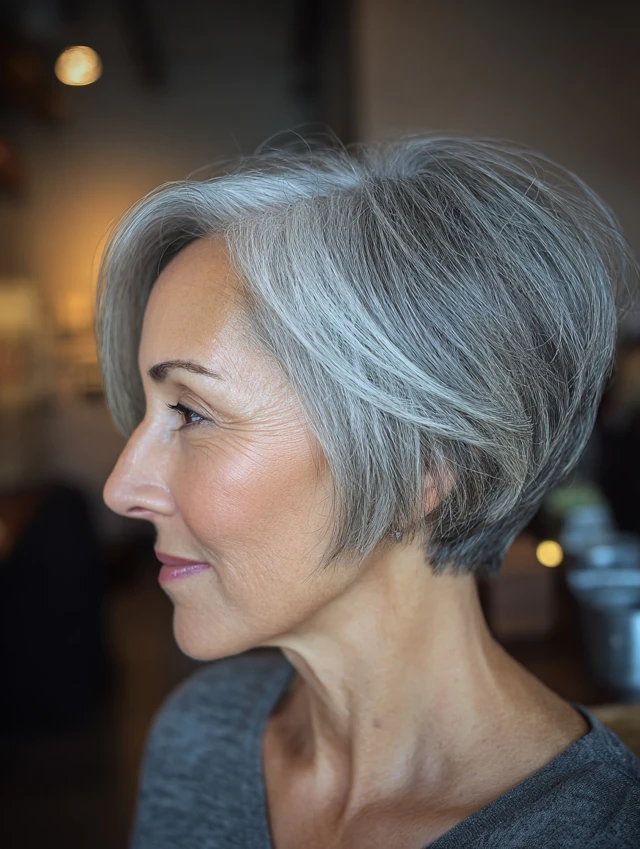
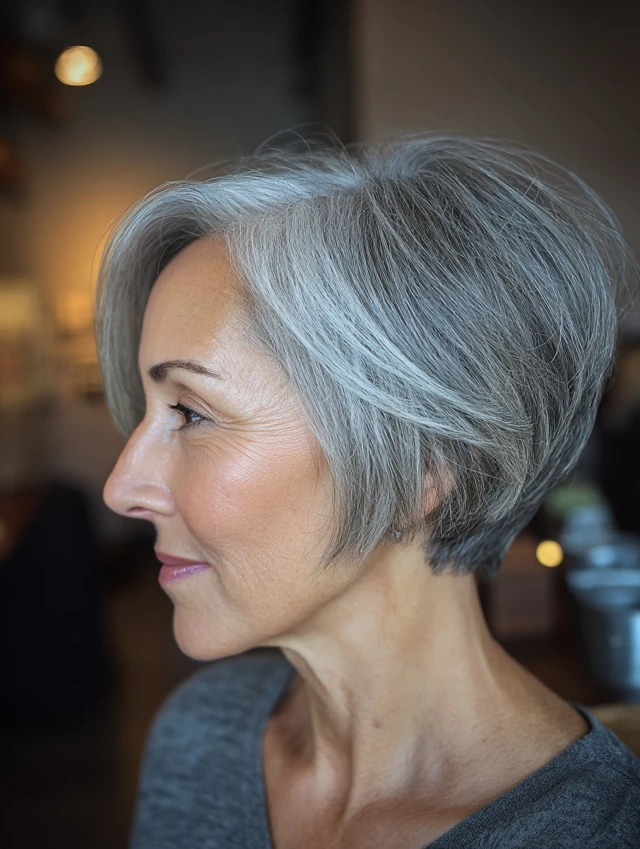
Gray hair transition hairstyles for women focus on blending regrowth gracefully while keeping the look intentional and flattering. Growing out natural gray can feel awkward at first, especially when old color lines appear harsh or uneven. The right haircut softens contrast, adds movement, and makes each stage feel stylish instead of frustrating. These looks rely on layers, strategic length, and smart shaping rather than constant recoloring. They fit busy routines and evolving textures while supporting healthier hair long term. A thoughtful transition style helps you feel confident at every phase of the journey.
Why Blended Transition Cuts Make the Process Easier
Soft layers and flexible shapes blur the line between dyed ends and new gray growth. Gray hair transition hairstyles for women often avoid blunt edges that highlight color changes. Instead, they use movement, texture, and face-framing sections to distract the eye.
These cuts also reduce salon dependence. When the shape works naturally, you can space out color appointments or stop them entirely. That saves time, limits chemical stress, and allows healthier strands to emerge while still looking polished in public.
Gray Hair Transition Hairstyles for Women: Popular Style Ideas
Layered Lob for Growing Out Gray
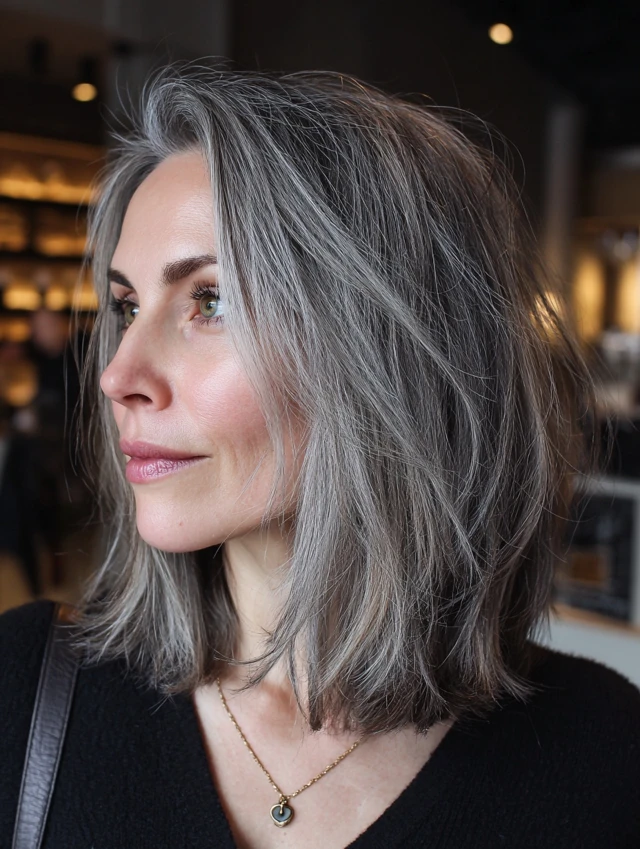
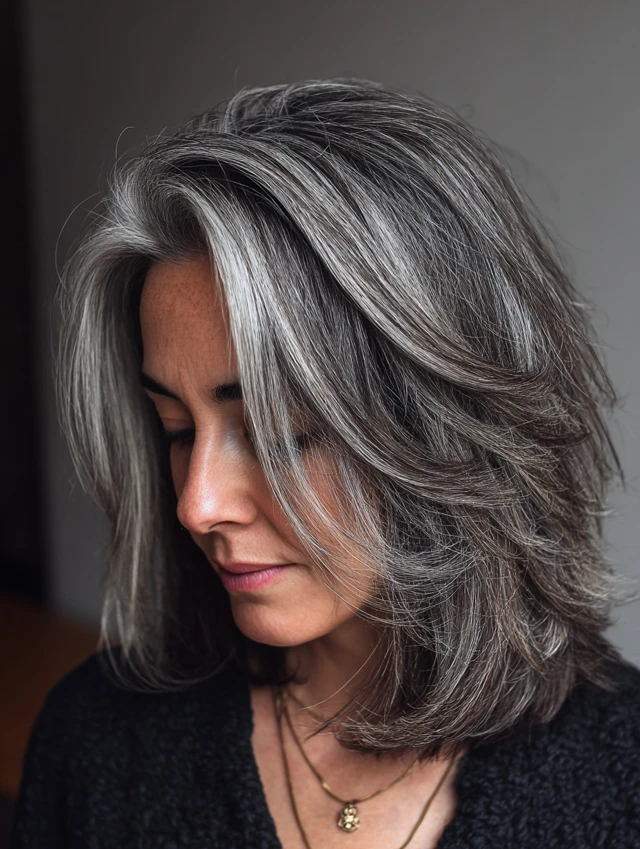
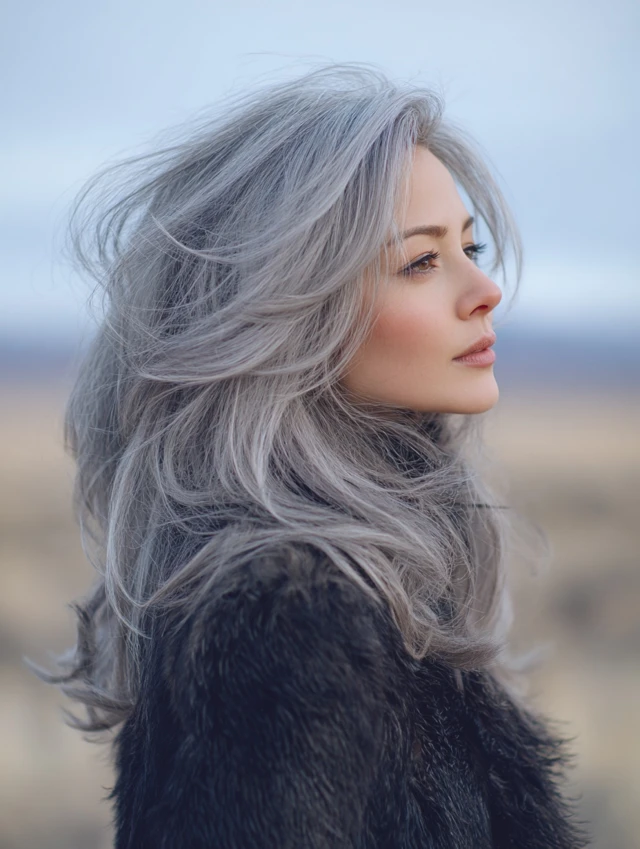
A layered lob helps disguise color lines by breaking up the hair’s surface with movement. The collarbone length gives flexibility, while soft layers scatter light so contrast looks softer instead of harsh. This shape keeps everything fluid during awkward in-between stages.
1

2
3
4
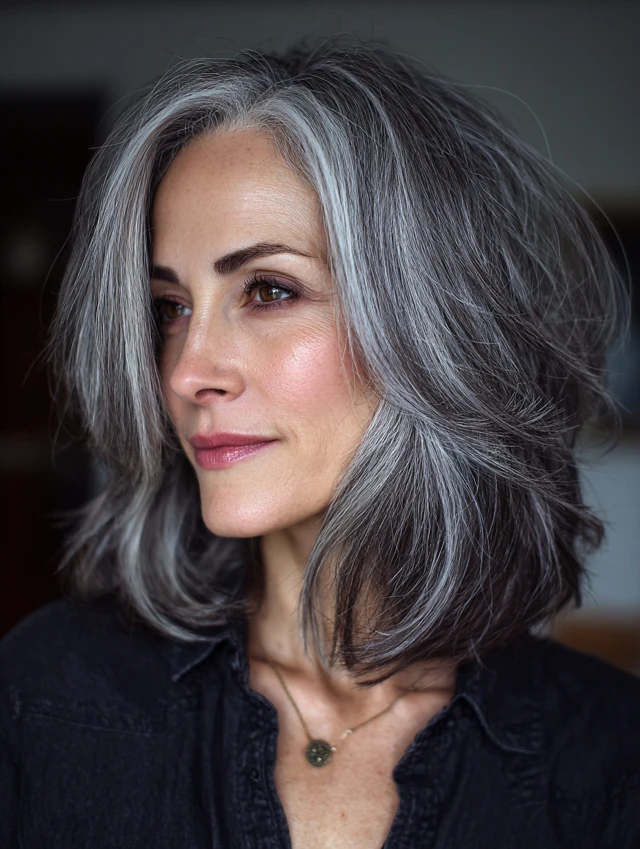
Most hair textures handle this cut well, especially straight or wavy types. Blow-dry quickly or air-dry with smoothing cream. It suits offices, travel days, and casual weekends. Trims every eight weeks refresh the shape without removing too much gray progress.
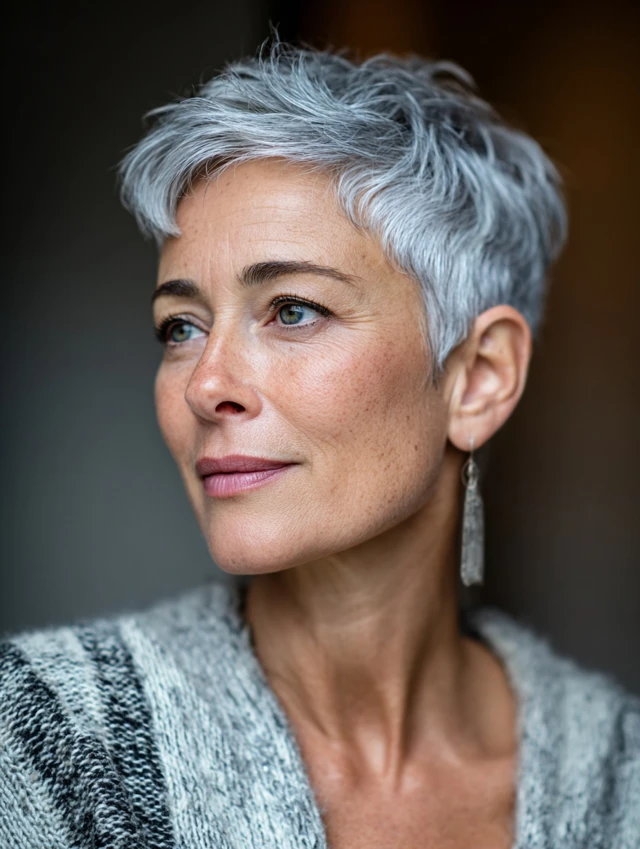
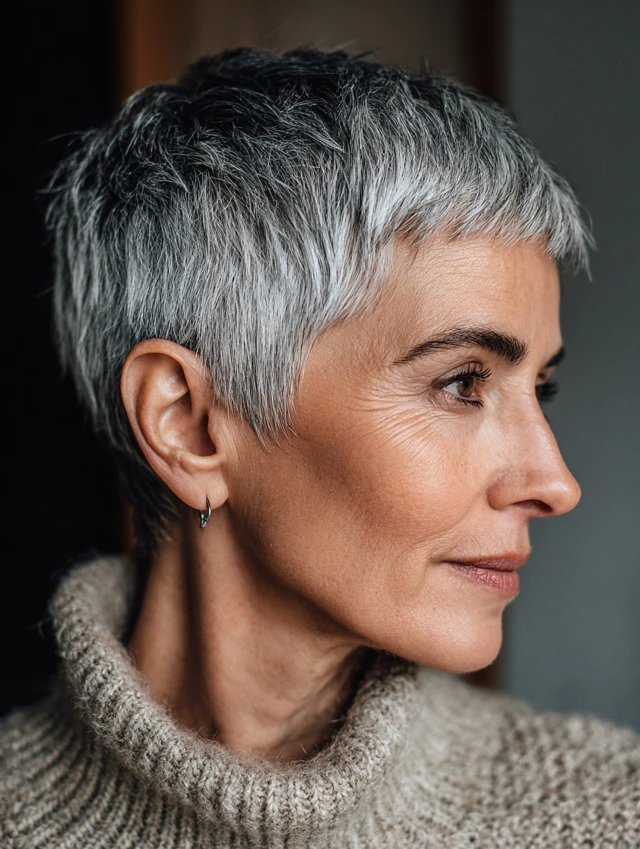
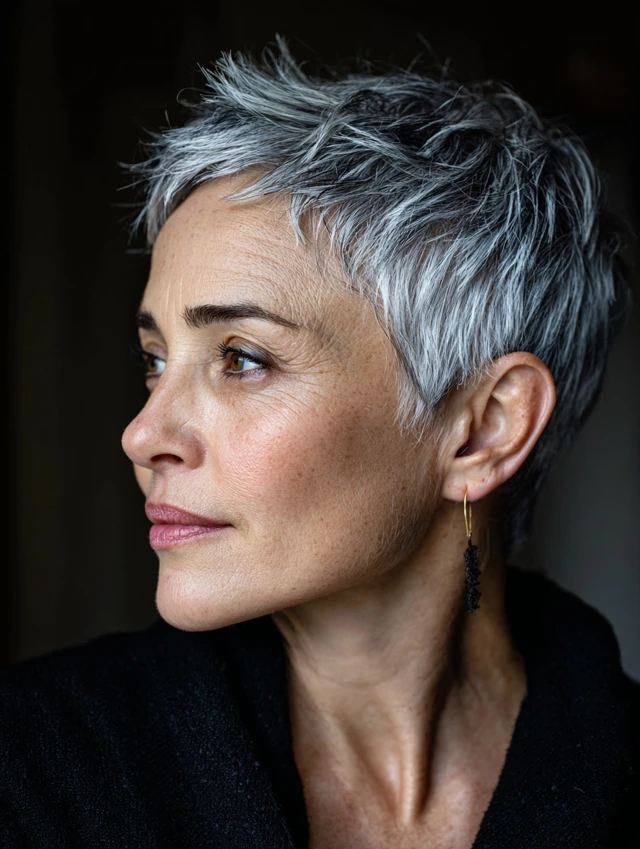
Short Crop for a Faster Transition
A short crop speeds up the transition by removing heavily colored ends gradually. The cropped length highlights natural gray while keeping styling simple and modern. Soft layering around the crown prevents the cut from feeling flat or severe.
1
2
3
4
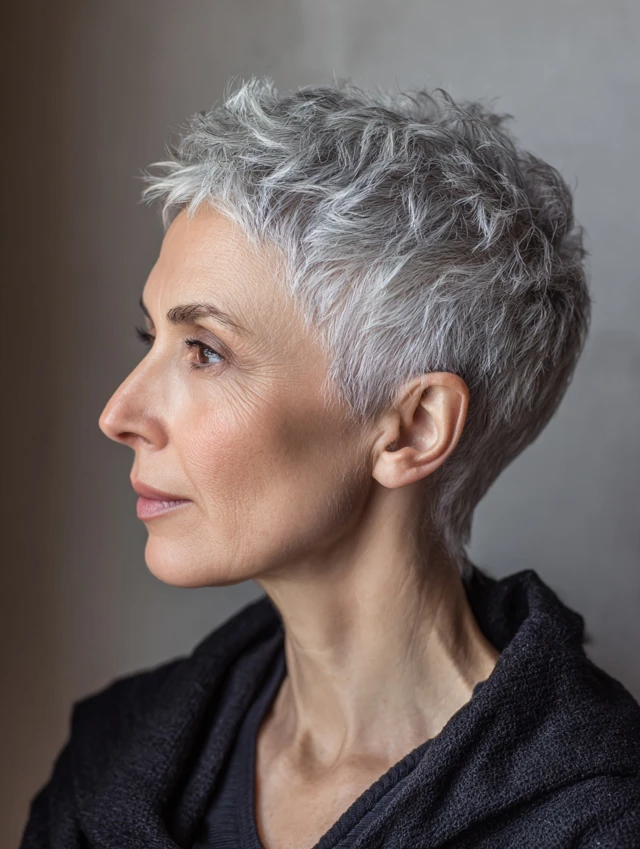
Fine to medium hair benefits most because short shapes add lift naturally. Finger-style with light paste and go. This look fits active lifestyles and warm climates easily. Regular shaping appointments keep the silhouette neat while encouraging faster color turnover.
Soft Shag with Gray Blending Layers
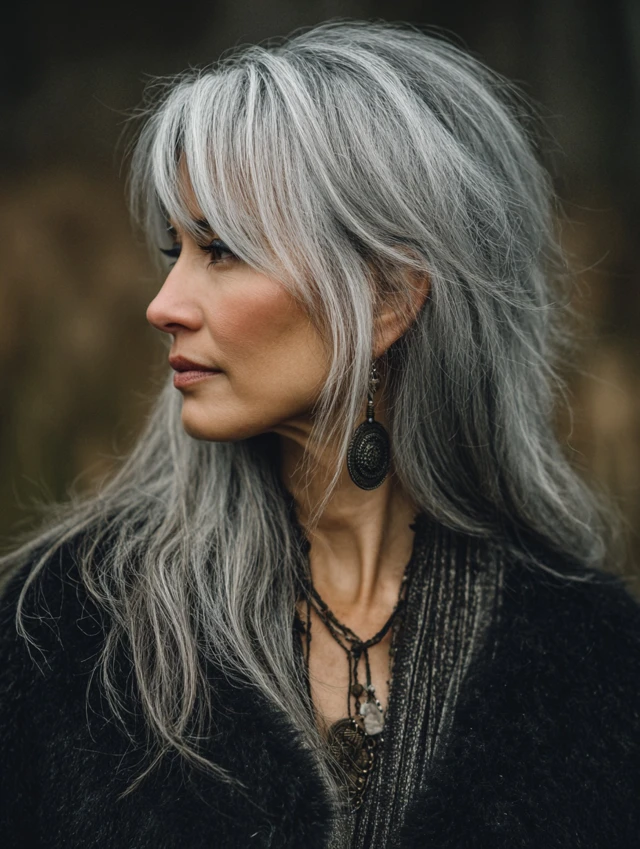
A soft shag creates movement that helps camouflage harsh color lines between dyed strands and new gray growth. Feathered layers scatter contrast across the head, making the transition appear gradual instead of obvious. The relaxed shape keeps everything modern rather than patchy.
1

2
4
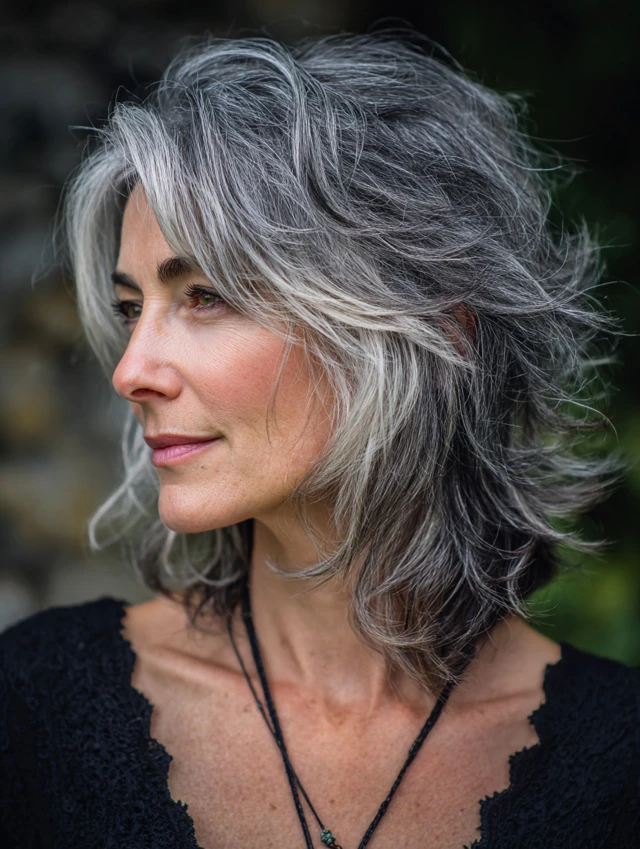
Wavy or medium-density hair responds especially well to this cut. Scrunch mousse into damp strands and let them dry naturally. It suits casual routines and creative settings. Maintenance feels forgiving because the layered structure grows out smoothly between trims.
Pixie Bob for a Polished Transition
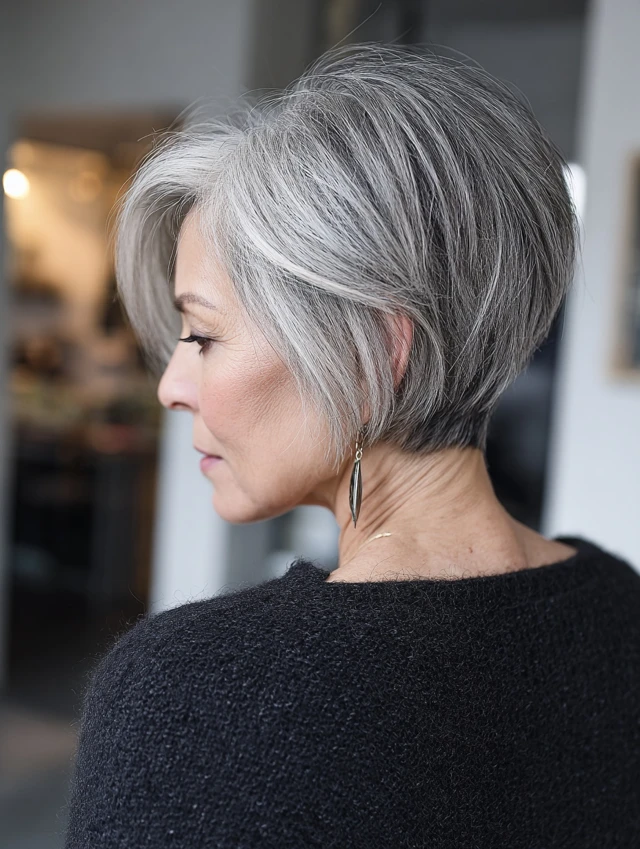
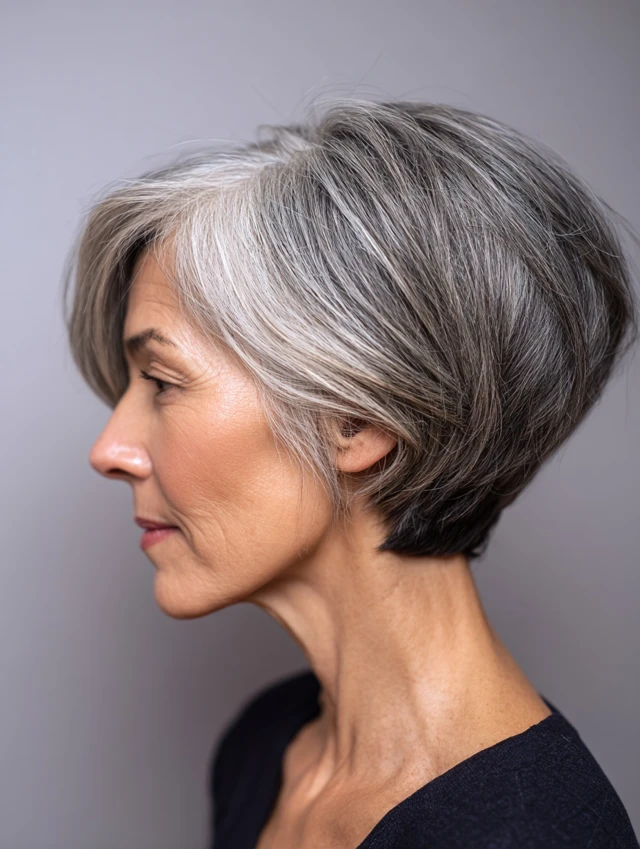
A pixie bob balances short length with enough coverage to blend color shifts around the temples and crown. Longer front sections soften facial features while stacked layers behind add fullness and hide stark lines. This combination keeps the look intentional throughout each stage.
1
2
3
4
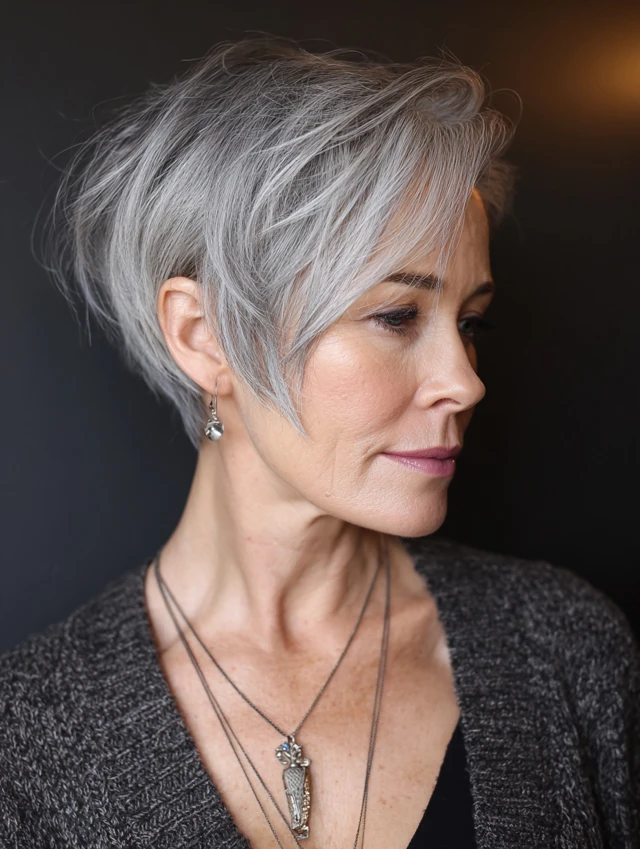
Fine textures benefit from the redistribution of weight. Blow-dry the back briefly for lift, then smooth the front. It fits professional days and social events easily. Regular trims every six to eight weeks maintain shape and encourage steady progress toward full gray.
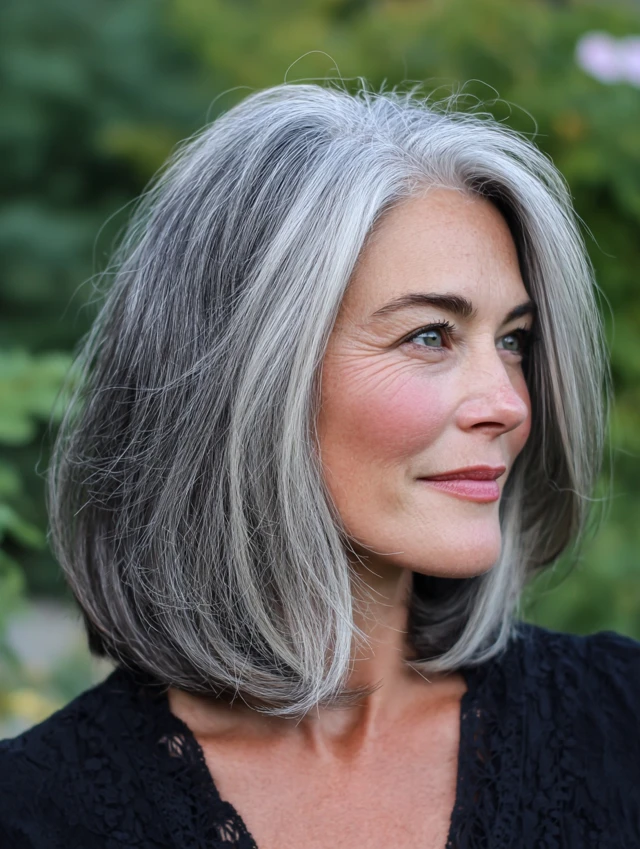
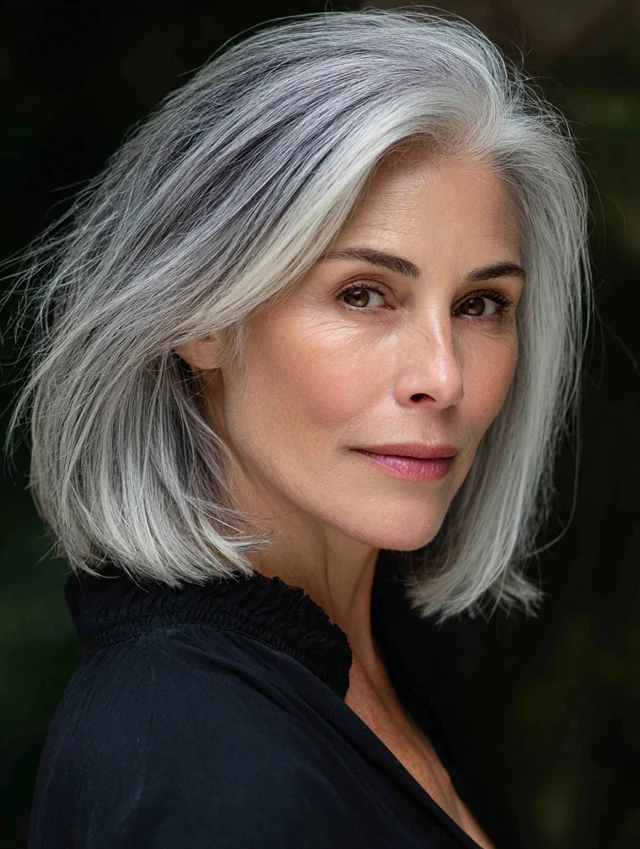
Shoulder-Length Cut with Face-Framing
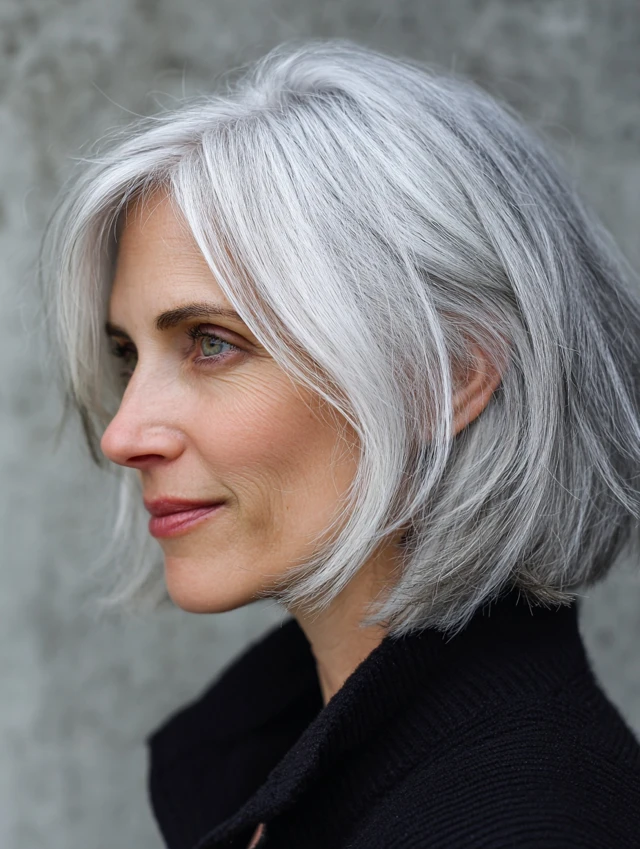
A shoulder-length cut with face-framing pieces pulls attention away from strong color demarcation lines. Shorter front layers draw focus toward the eyes and cheekbones instead of the roots. Soft ends keep the silhouette fluid while you grow out gray naturally.
1
2
3
4

Straight to wavy hair works best with this option. Apply leave-in conditioner and let hair dry gently. This style fits everyday errands and travel plans. Regular trims remove old dye slowly without stalling the transition.
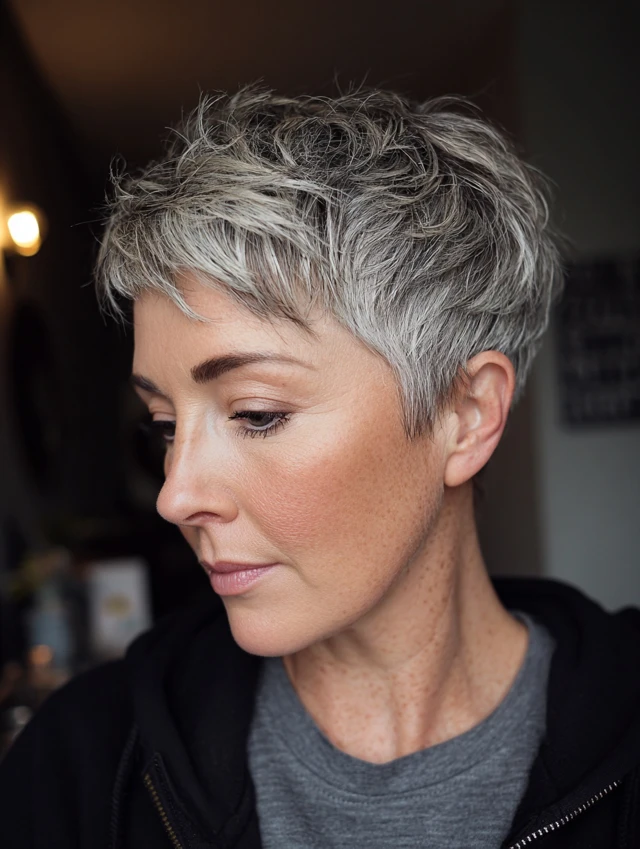
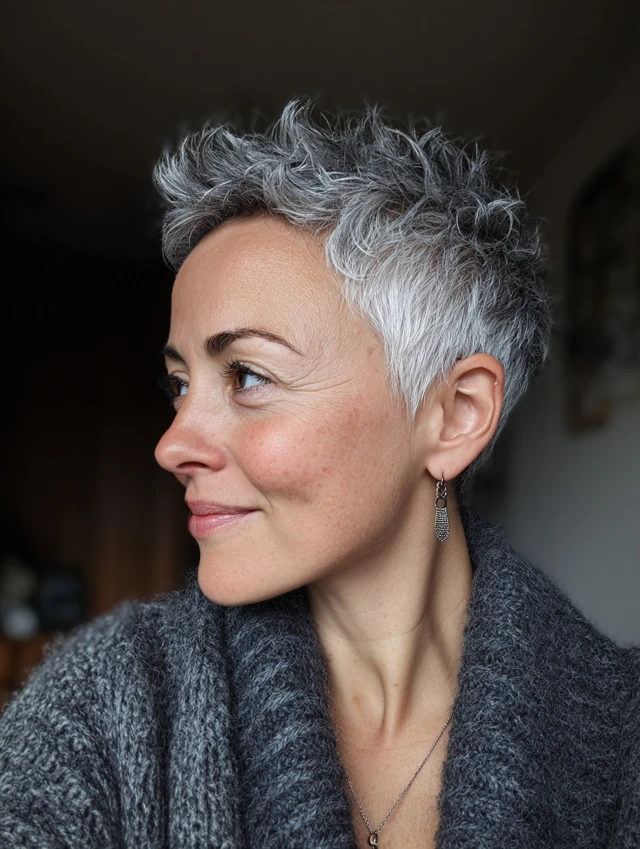
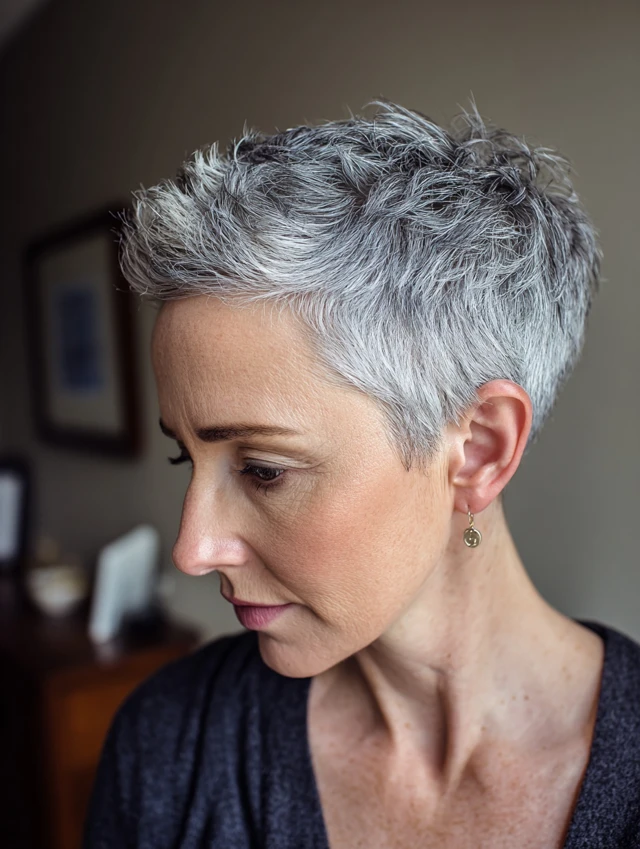
Tapered Pixie for Bold Gray Growth
A tapered pixie accelerates the transition by showcasing natural silver at the crown and hairline. Cropped sides minimize leftover color, while a textured top keeps volume high. The result feels confident, modern, and deliberate.
1
2
3
4
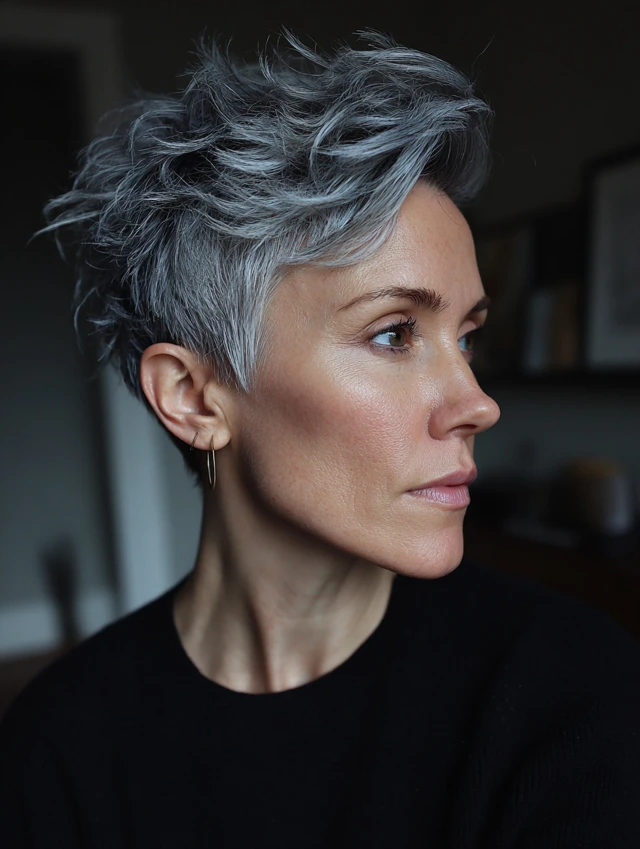
Fine to medium hair responds well to this shape. Style with a dab of paste and lift at the roots using fingers. It suits active lifestyles and warm climates. Book trims every five to seven weeks to stay sharp.
How to Navigate Gray Hair Transitions with Style
Choose shapes that soften color boundaries and grow out gracefully. Ask for layers instead of blunt edges. Go shorter if you want faster results. Use purple or silver-friendly shampoos sparingly to keep tones bright. Condition often. Schedule trims regularly to remove dyed ends slowly. These steps help gray hair transition hairstyles for women stay flattering through every phase.
Final Thoughts on Gray Hair Transition Hairstyles for Women
Gray hair transition hairstyles for women make the grow-out process easier and more empowering. Smart cuts, strategic layers, and realistic upkeep remove much of the frustration. You can enjoy each stage instead of hiding it.
Focus on a shape that matches your lifestyle and comfort level with visible change. Which gray hair transition hairstyle for women feels right for you, and are you leaning toward a slow blend or a bold chop?