
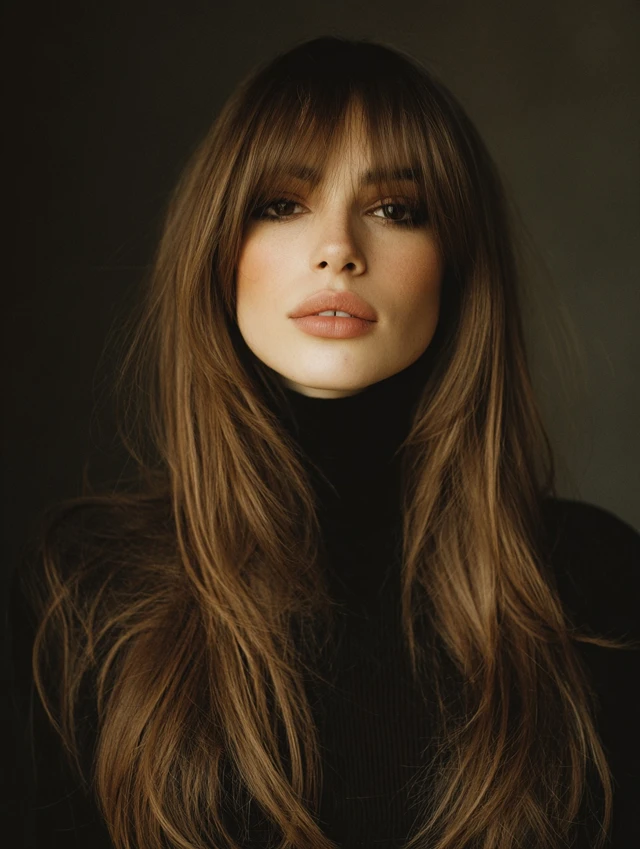
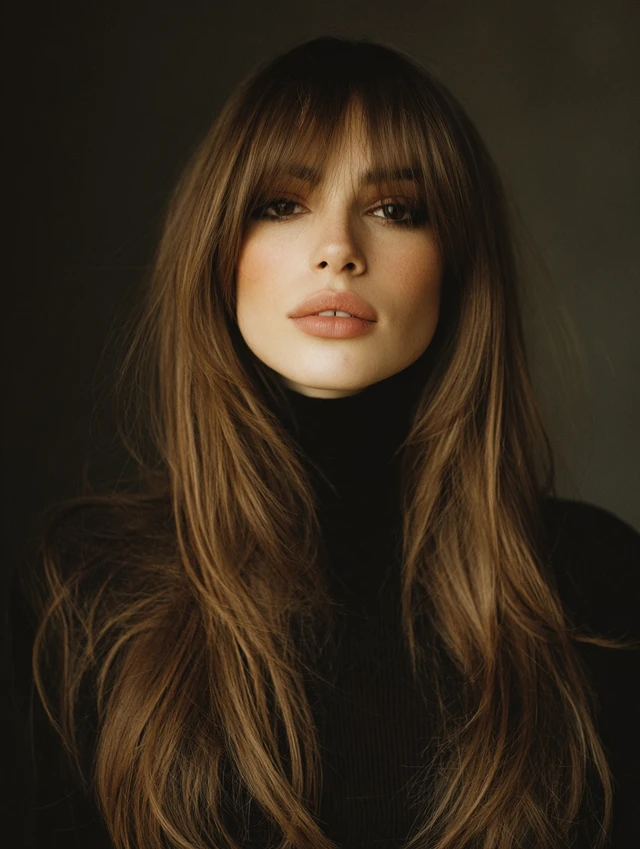
Bangs for thin hair work best when they stay light, blended, and flexible. Heavy fringe can drag delicate strands down, but airy shapes create movement and the illusion of fullness. The right bangs soften facial features, hide sparse hairlines, and refresh a haircut without sacrificing volume. Many people choose wispy or angled styles because they grow out easily and style fast. When cut correctly, bangs make thin hair look thicker, brighter, and more intentional instead of flat or limp.
Why Bangs Can Actually Help Thin Hair
Thin hair benefits from strategic placement rather than bulk. Light bangs redirect hair forward, which creates the look of density near the hairline. Soft edges prevent the front from separating into stringy pieces.
Blending matters even more. When bangs taper into cheek-length layers, they connect with the rest of the haircut and avoid harsh lines. This shaping keeps everything airy while boosting visual fullness around the face.
Six Bangs Styles That Work for Thin Hair
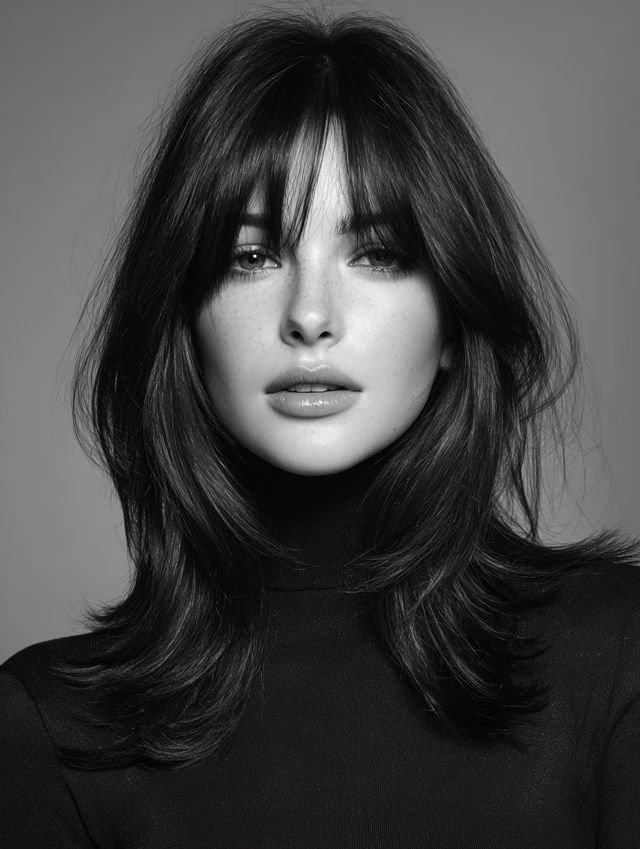
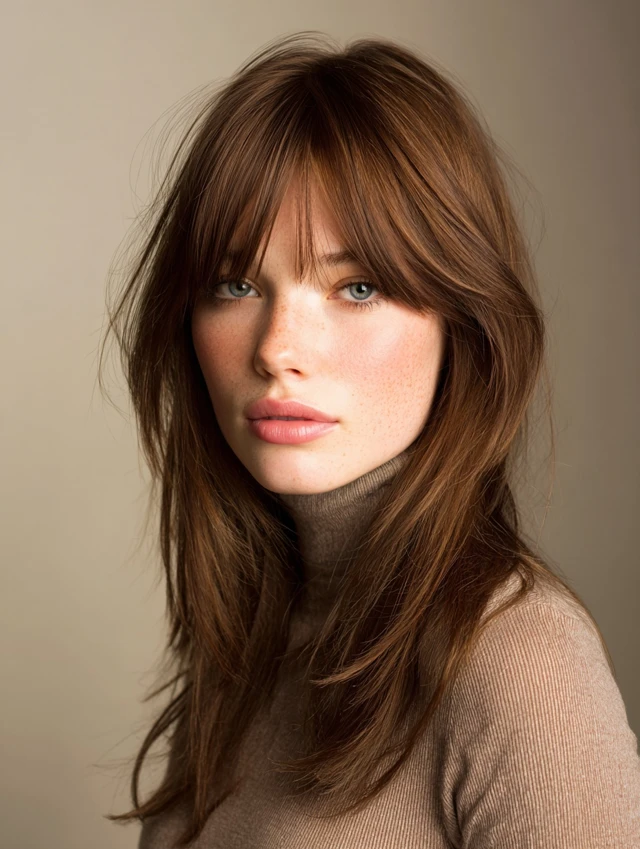
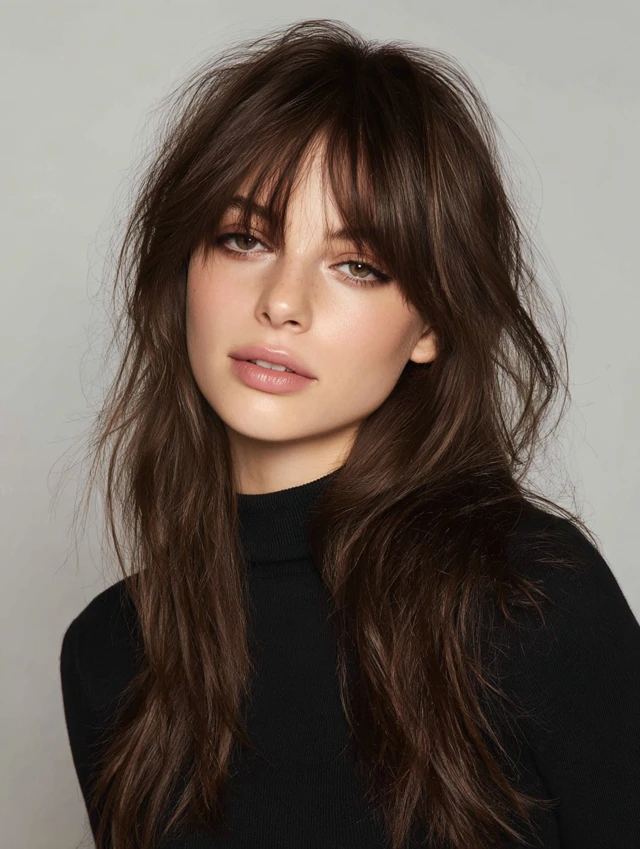
Wispy Center-Part Bangs
These feather-light bangs open at the center and skim the forehead gently. They flatter round and square faces by creating vertical lines and softening angles. Straight to wavy textures show the airy finish best.
1
2
3
4
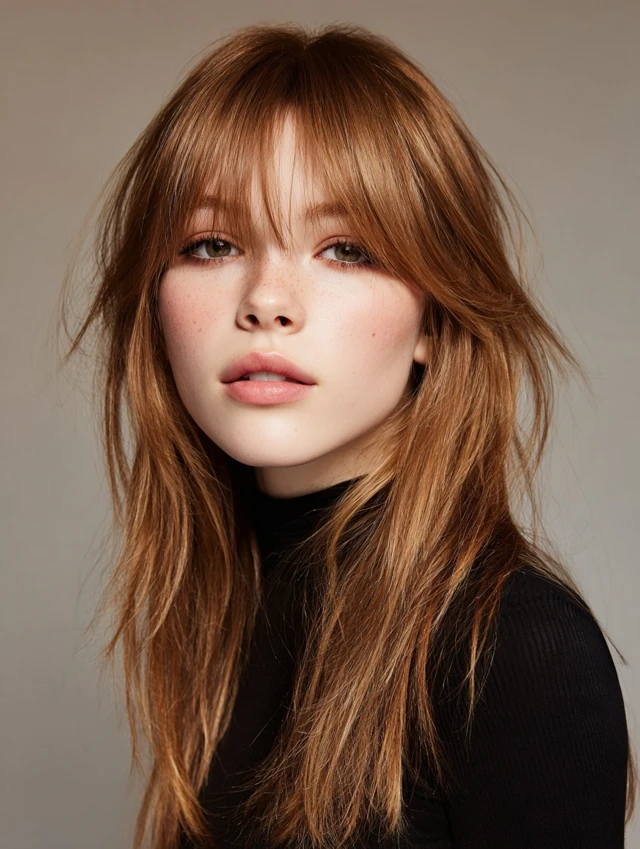
Blow-dry forward, then split them with a round brush. Add root spray near the part for lift. This style grows out cleanly and rarely looks heavy.
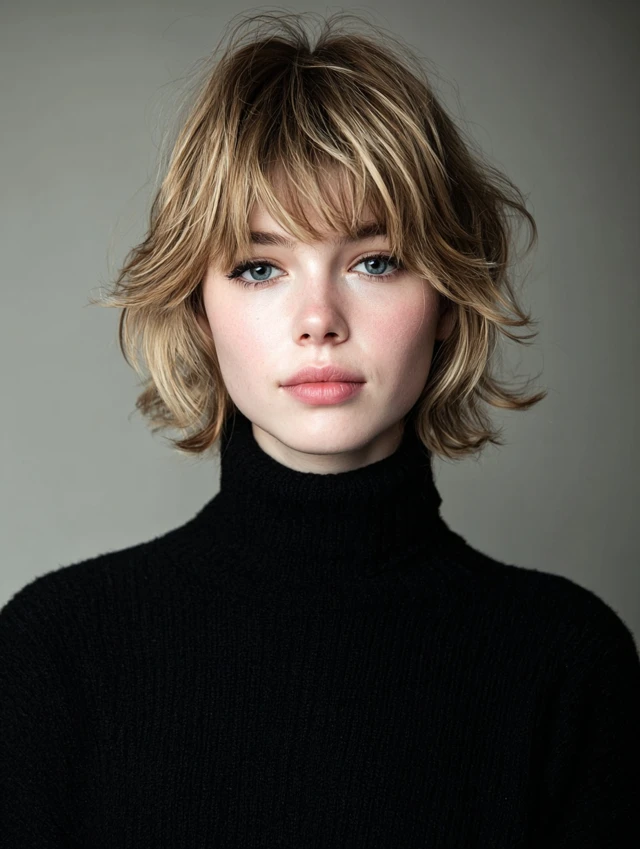
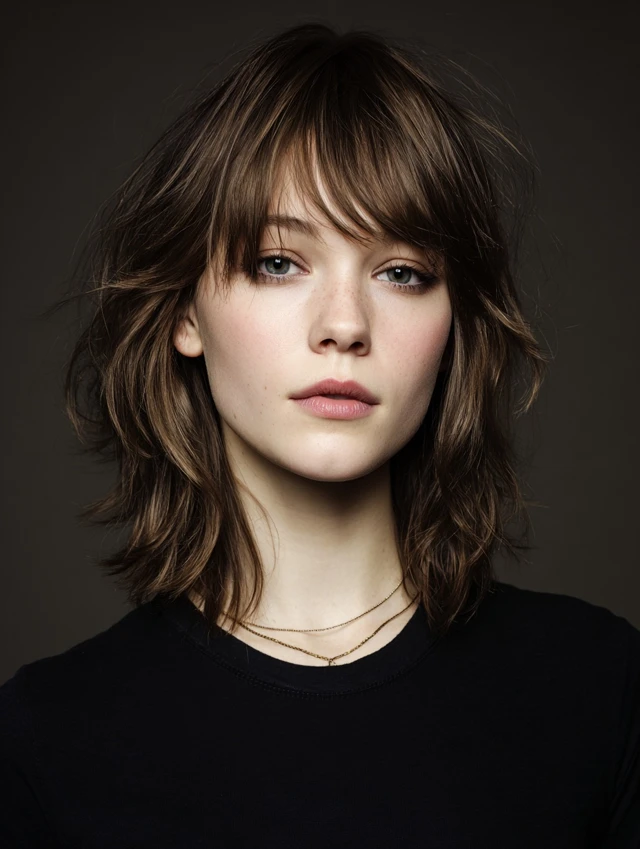
Side-Swept Bangs for Instant Volume
Angled bangs glide across the forehead and blend into longer layers. They suit almost every face shape and help disguise sparse spots near the temples.
1
2
3
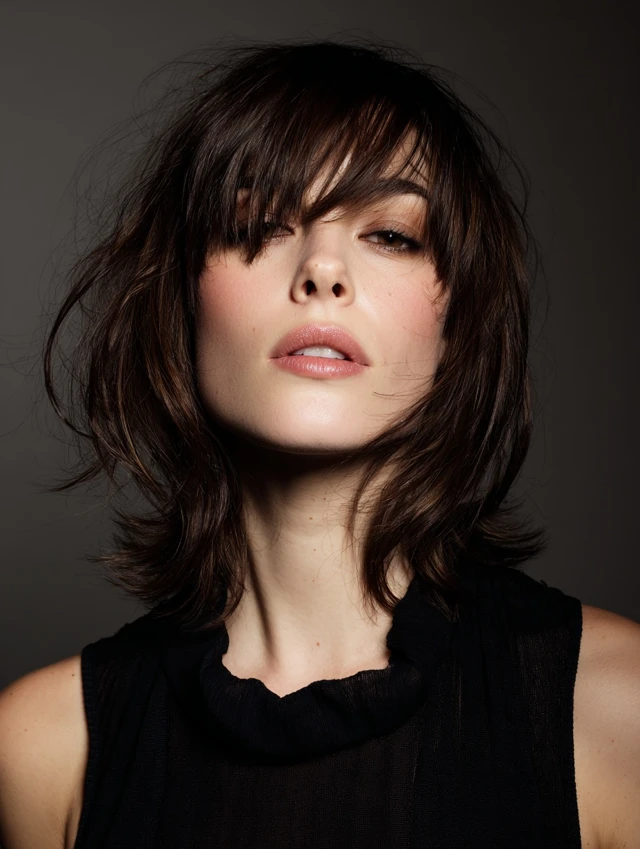
4
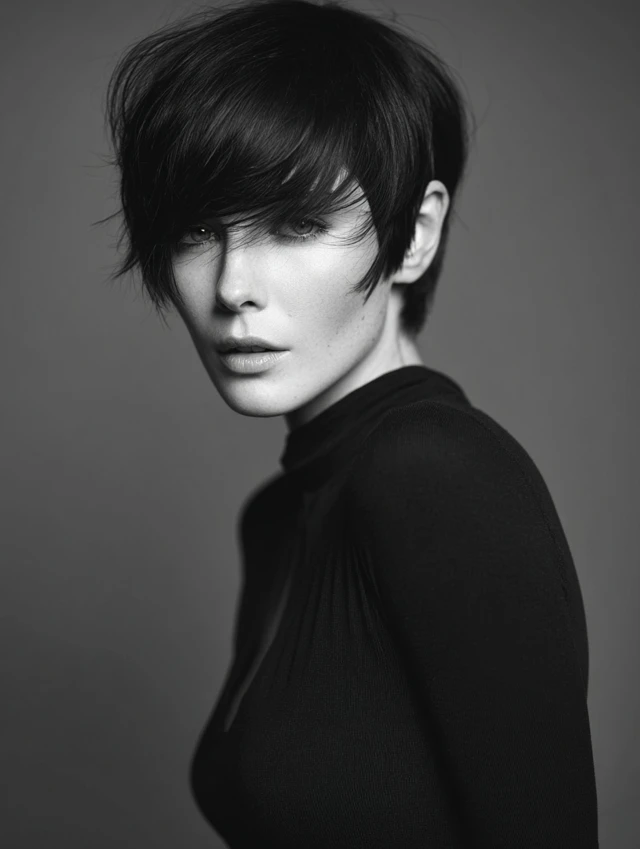
Dry them toward the heavier side first, then flick across. Keep product minimal so strands stay floaty. This option works well for professional and casual looks.
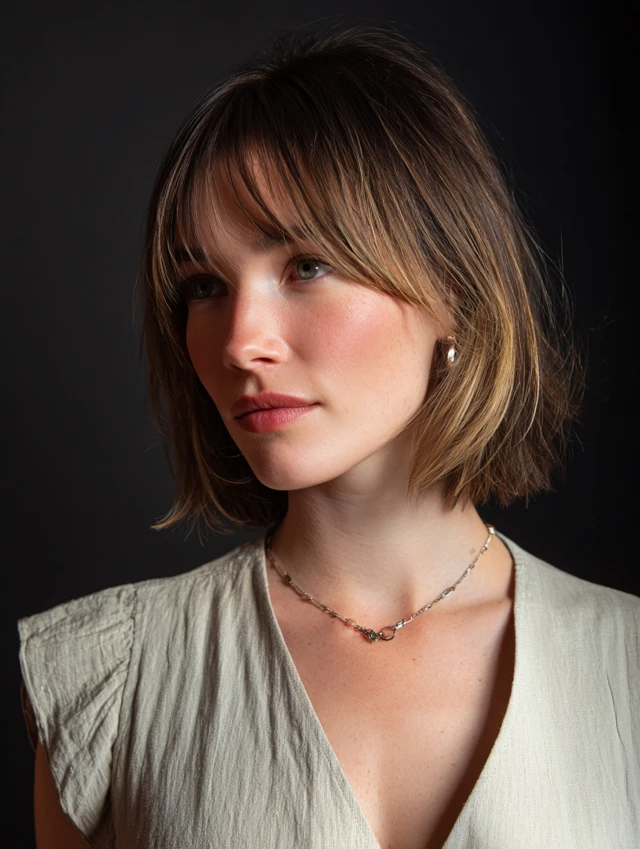
Curtain Bangs for Thin Hair
Curtain bangs part in the middle and lengthen toward the cheeks. They soften features while keeping the hairline open and bright. Fine or thin textures benefit because the fringe never feels dense.
1
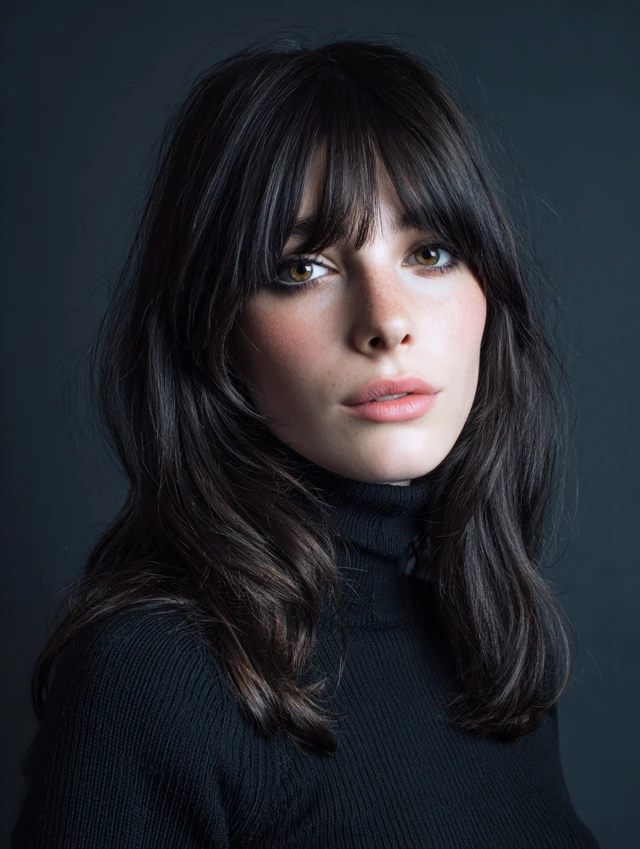
2
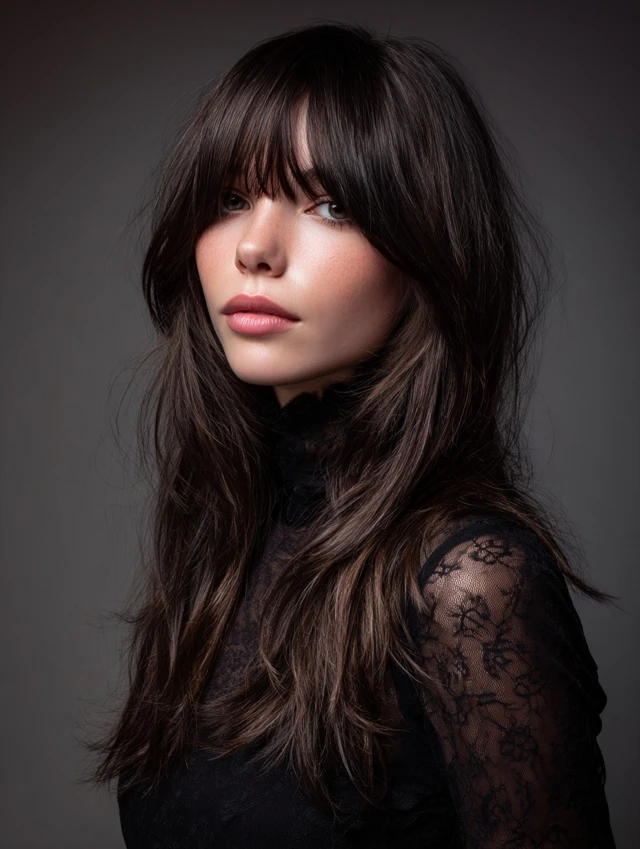
3
4
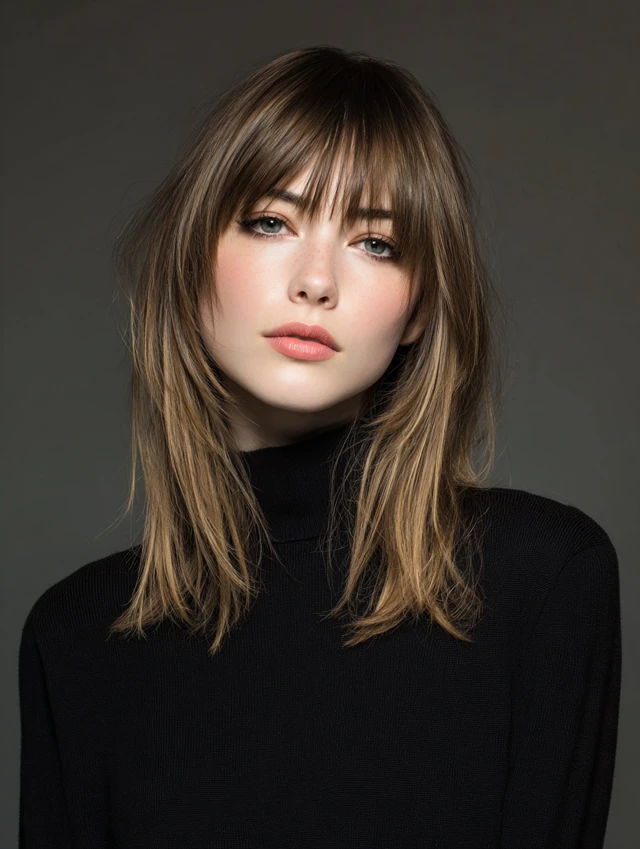
Blow-dry outward from the center with a small brush. Pair them with a bob, lob, or long layers for the most flattering effect.
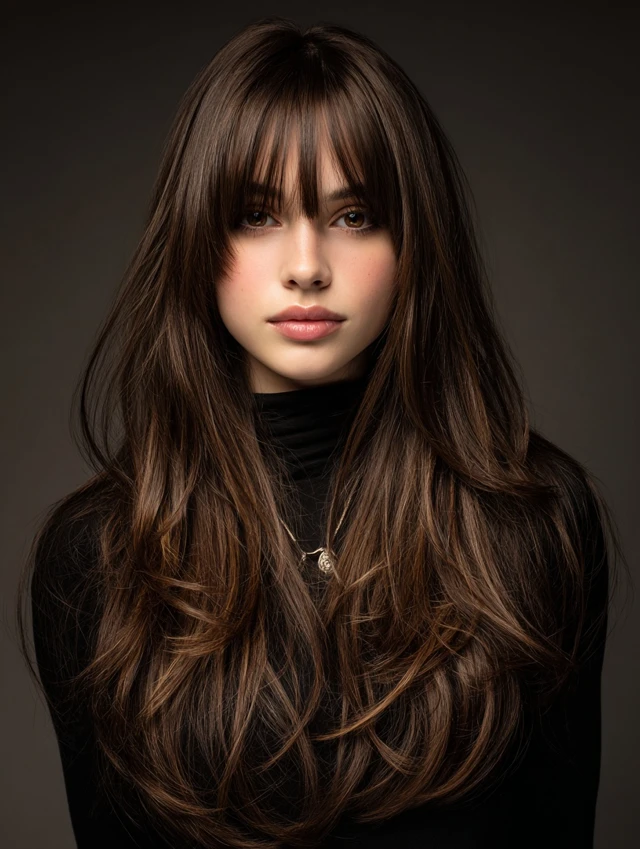
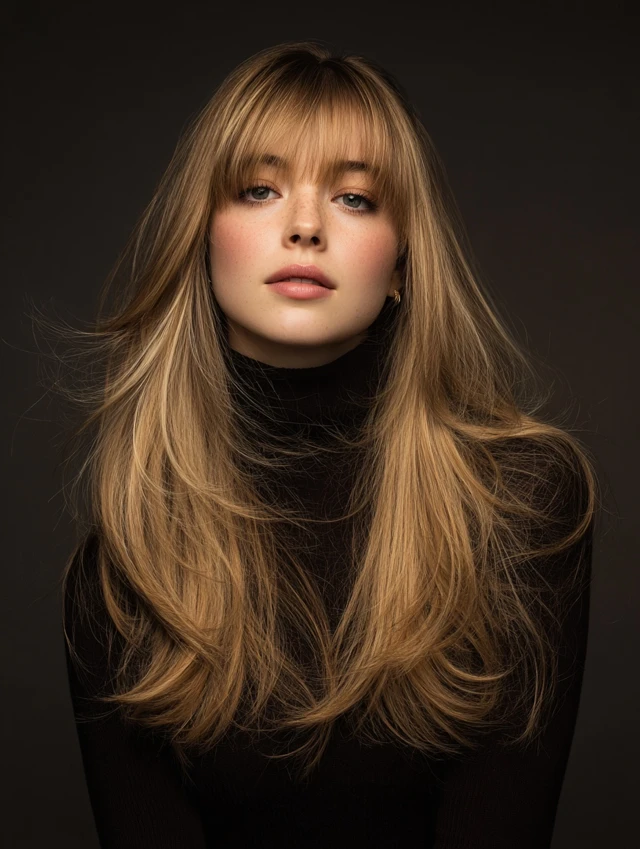
Long Bangs With Face-Framing Layers
Longer bangs that hit at the cheekbones blend into the haircut and create softness without removing much hair from the front. They suit oval and heart-shaped faces especially well.
1
2
3
4
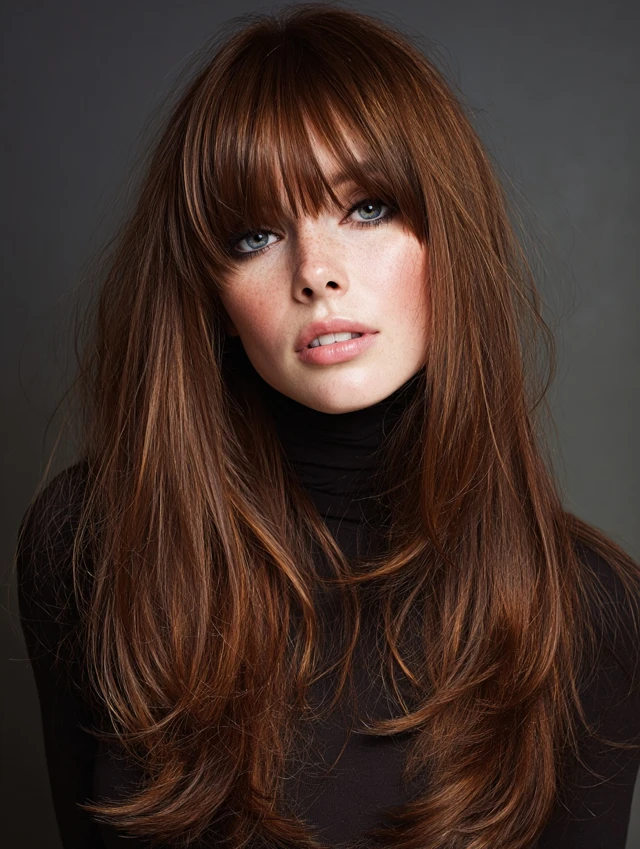
Style with a brush sweeping away from the face. This version shifts easily between side and middle parts, which keeps things flexible.
See-Through Bangs for Ultra-Fine Hair
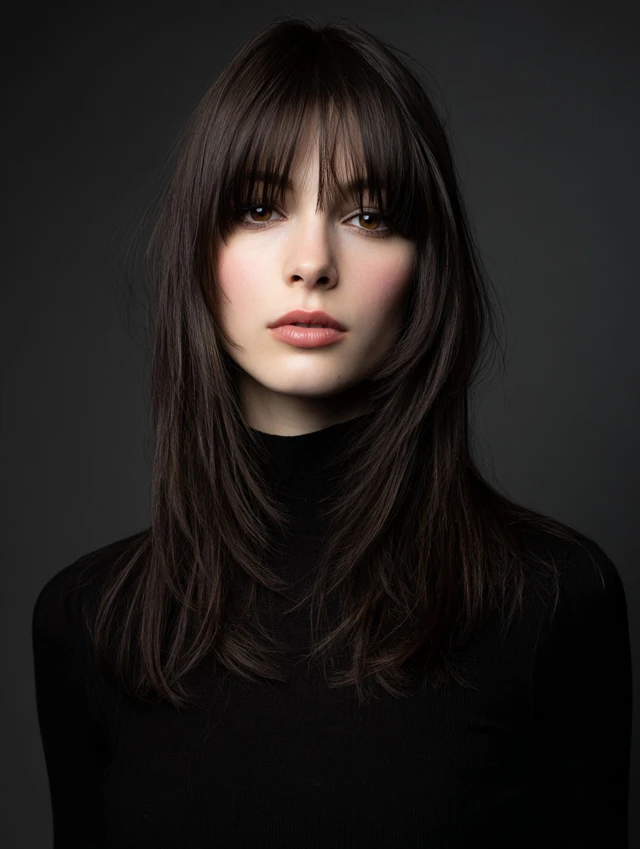
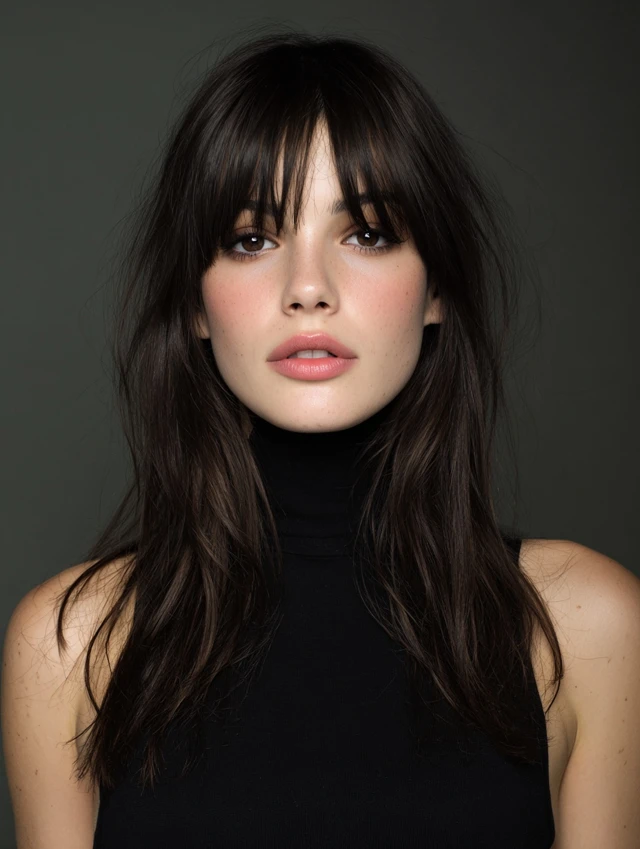
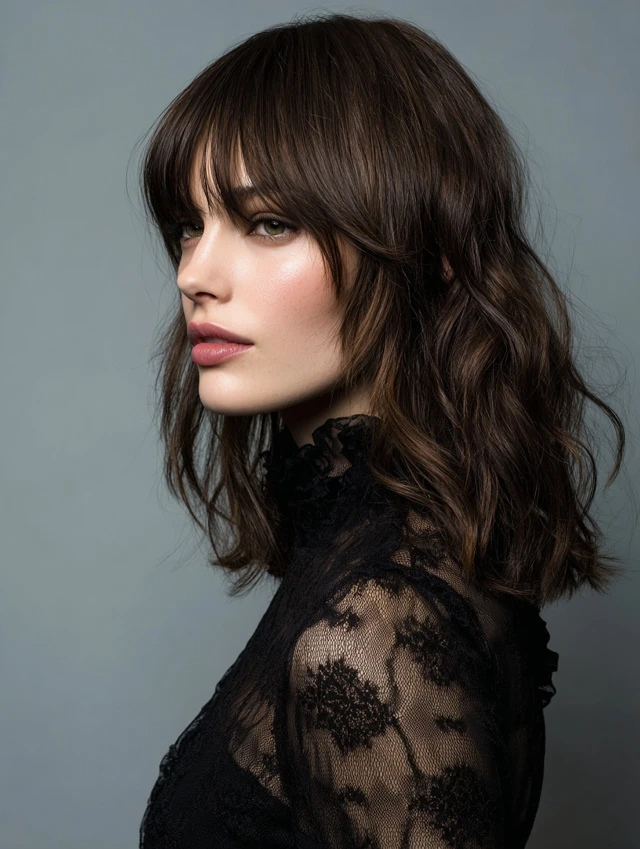
This barely-there fringe uses very few strands and lets the forehead peek through. It adds shape without committing to full bangs and works well for conservative or low-maintenance routines.
1
2
3
4
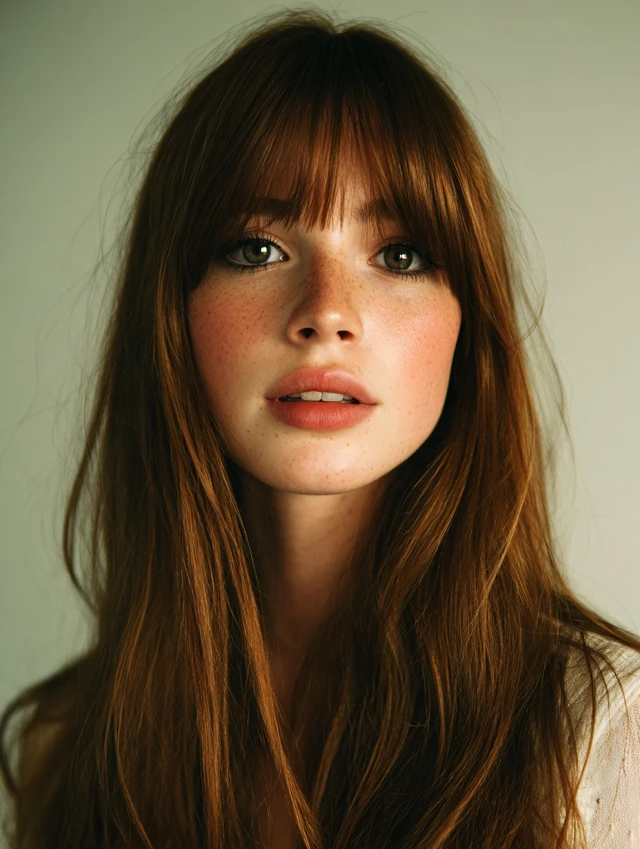
Keep them longer and lightly textured. Dry gently with fingers for a natural finish.
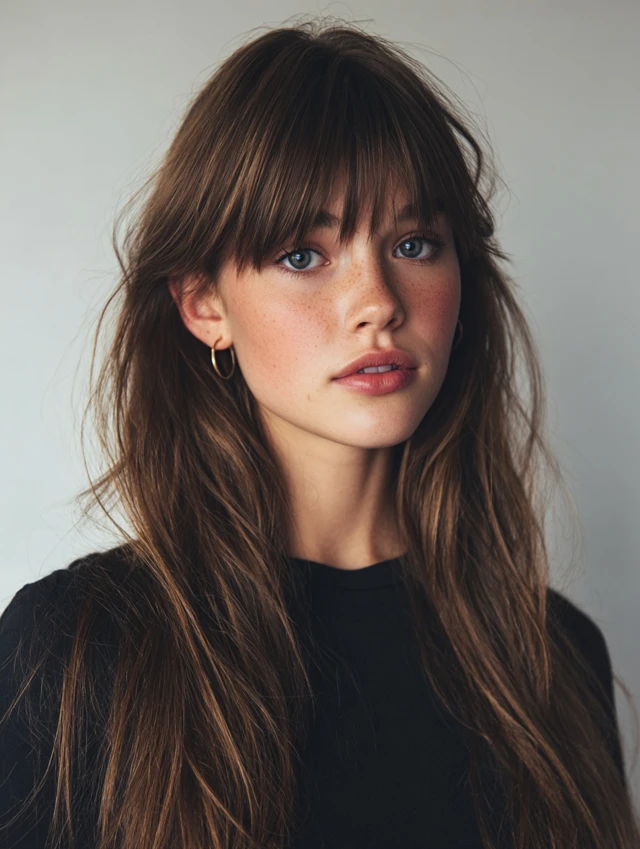
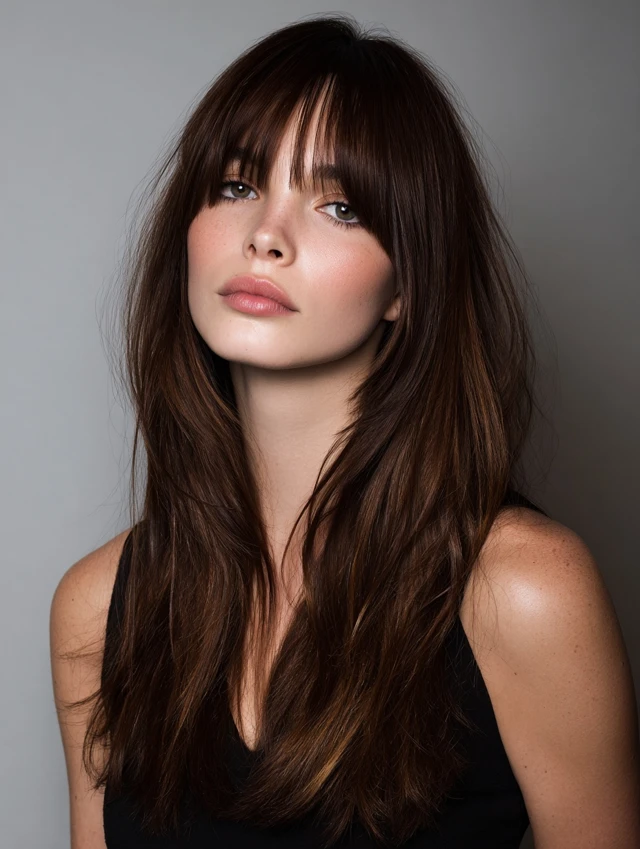
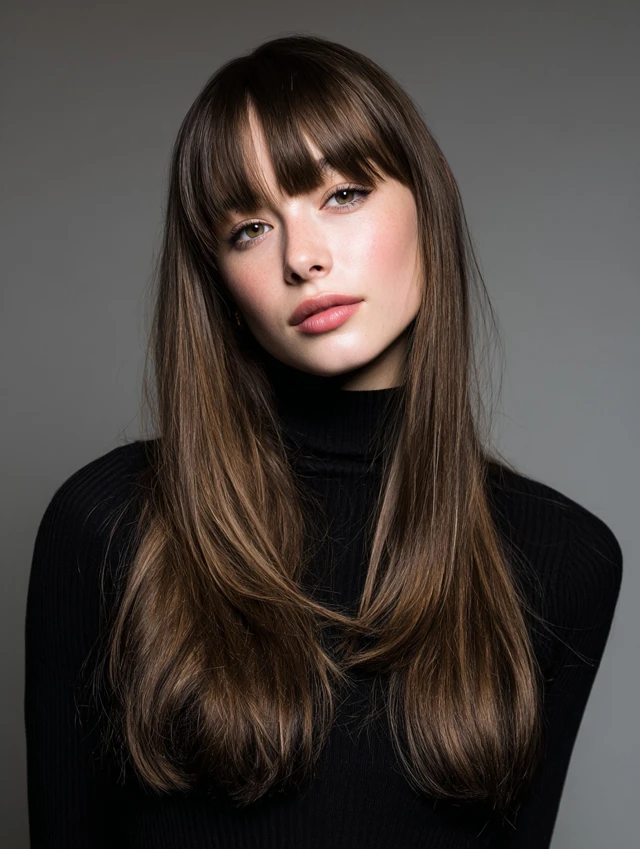
Subtle Bangs for First-Timers
This beginner option starts closer to the cheekbones than the brows and blends heavily into the sides. It adds framing without obvious fringe and grows out smoothly.
1
2
3
4
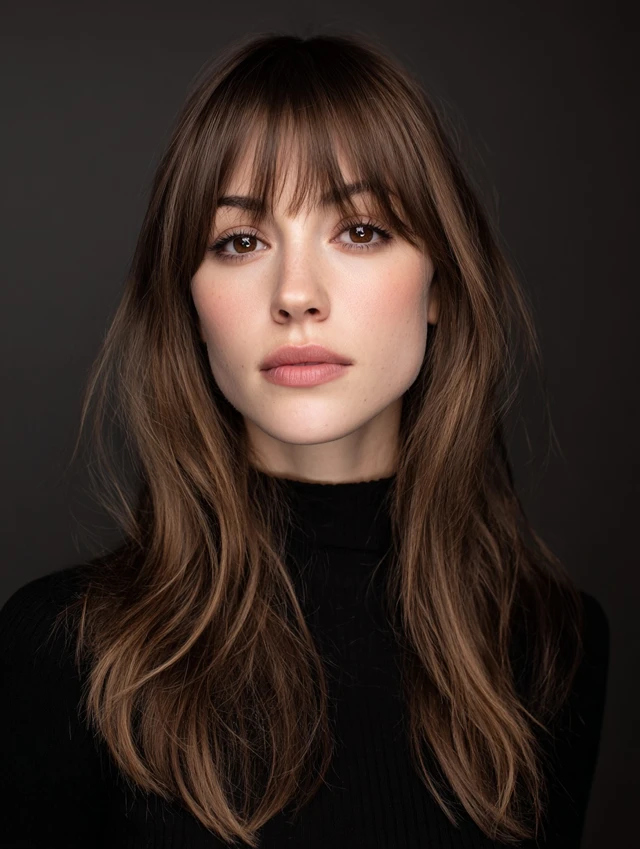
Style with a soft side part and minimal heat. It’s a low-risk way to test bangs on thin hair.
How to Nail Bangs for Thin Hair
Ask for point-cut or razor-soft edges instead of blunt lines. Keep bangs light and layered into the sides. Avoid taking too much hair from the crown. Use root-lifting spray rather than heavy creams. Blow-dry bangs first so they set properly. Trim every six weeks to keep them airy and eye-skimming.
Final Thoughts on Bangs for Thin Hair
Bangs for thin hair succeed when they stay soft, blended, and flexible. Wispy, side-swept, and curtain styles brighten the face while keeping volume intact. With the right cut, fringe makes fine hair look fuller and far easier to style.
Would you try airy curtain bangs first or start with subtle side-swept fringe? Tell me which version feels safest—or most exciting—to you.